PCD Pharma Company in Kerala

The healthcare sector in India is undergoing a massive transformation, and Kerala stands at the forefront of this revolution. Known for its high health literacy and robust medical infrastructure, the state offers a fertile ground for pharmaceutical entrepreneurs. If you are looking to invest in a PCD Pharma Company in Kerala, you are eyeing one of the most stable and high-demand markets in the country.

In this comprehensive guide, we will break down why Kerala is a goldmine for the PCD (Propaganda Cum Distribution) model, how to navigate the legal requirements, and how to choose a partner that ensures long-term profitability.


What is a PCD Pharma Franchise?

Before diving into the specifics of the Kerala market, we must define the business model. A PCD Pharma franchise allows an individual or a small group to obtain the marketing and distribution rights for a pharmaceutical company’s products.

Essentially, the parent company handles the complex manufacturing, quality control, and R&D. Meanwhile, you—the franchise partner—focus on local sales, doctor detailing, and supply chain management. This synergy allows you to run a large-scale business with significantly lower overhead costs than traditional pharmaceutical manufacturing.


Why Kerala is a Prime Destination for Pharma Businesses

Kerala is often referred to as a “model state” for healthcare in India. Several factors make it an ideal location for a PCD Pharma Company in Kerala:

1. High Healthcare Awareness

The people of Kerala are highly conscious of their health and well-being. Consequently, there is a consistent demand for both chronic and acute care medications. Because the literacy rate is high, patients often seek quality brands, which benefits PCD distributors who partner with reputable manufacturers.

2. Extensive Hospital Networks

From world-class private multispecialty hospitals to a well-organized network of Primary Health Centres (PHCs), the state’s medical reach is unparalleled. This dense network provides countless touchpoints for a PCD distributor to promote their product range.

3. Increasing Lifestyle Diseases

Despite high health standards, Kerala faces a rising challenge with lifestyle-related ailments such as diabetes, hypertension, and cardiovascular issues. Therefore, the demand for specialized cardiac and diabetic segments is skyrocketing, offering a lucrative niche for new distributors.

4. Robust Logistics and Connectivity

The state’s geography and infrastructure allow for seamless distribution. Whether you are based in Kochi, Thiruvananthapuram, or Kozhikode, the well-connected road and rail networks ensure that life-saving drugs reach pharmacies and hospitals without delay.


Key Benefits of Investing in a PCD Pharma Franchise

If you are transitioning from a career as a Medical Representative (MR) or looking to start your first venture, the PCD model offers several distinct advantages:

  • Monopoly Rights: Most reputable companies offer “Monopoly Rights” for a specific district or territory. This means you won’t face internal competition from the same brand, allowing you to dominate your local market.

  • Low Financial Risk: Unlike other retail or manufacturing businesses, the initial investment for a PCD franchise is relatively low. You can start small and scale your inventory as your revenue grows.

  • Marketing Support: The parent company provides you with visual aids, reminder cards, product manuals, and samples. These tools are essential for convincing doctors to prescribe your products.

  • Wider Product Range: You gain access to an extensive portfolio, ranging from tablets and capsules to injections, syrups, and herbal formulations, all under one roof.


How to Select the Best PCD Pharma Company in Kerala

Success in this industry depends 90% on the partner you choose. If you partner with a company that provides poor-quality medicine or inconsistent supply, your reputation with local doctors will suffer. Here is a checklist to help you make the right choice:

1. Check for WHO-GMP and ISO Certifications

Quality is non-negotiable in healthcare. Ensure that the company manufactures its products in WHO-GMP certified facilities. This certification guarantees that the products are consistently produced and controlled according to quality standards.

2. Evaluate the Product Pipeline

Does the company regularly launch new molecules? The pharmaceutical world moves fast. You need a partner that stays ahead of medical trends and introduces the latest formulations to the market.

3. Transparency in Dealings

A reliable PCD Pharma Company in Kerala will be transparent about its price list (Net Rates), GST structure, and expiry/breakage policies. Avoid companies that have hidden charges or vague terms.

4. Stock Availability

Nothing hurts a distribution business more than “out of stock” notices. Ensure the company has a massive production capacity and a reliable dispatch system so that your orders are fulfilled within 24–48 hours.


Legal Requirements to Get Started

To operate a pharmaceutical distribution business in Kerala, you must comply with certain legal formalities. While these might seem daunting, they are standard procedures to ensure public safety.

  1. Drug License: You must obtain a Wholesale Drug License from the State Drugs Control Department. This requires a dedicated premise (usually a minimum of 10-15 square meters) and a registered pharmacist or an experienced “competent person.”

  2. GST Registration: Since you will be trading goods, a Goods and Services Tax (GST) number is mandatory for billing and interstate transactions.

  3. FSSAI Registration: If your product portfolio includes food supplements, nutraceuticals, or protein powders, you will also need an FSSAI license.

For the most up-to-date information on pharmacy laws and ethics in India, you can visit the Pharmacy Council of India (PCI), which serves as the central regulatory body.


Strategies for Growing Your PCD Business in Kerala

Once you have secured your territory and stock, the real work begins. Here is how you can scale your business effectively:

Build Strong Relationships with Doctors

In the PCD model, the doctor is your primary “customer.” Conduct regular visits and provide them with scientific evidence regarding your product’s efficacy. Focus on a “niche” initially—perhaps pediatric or orthopedic—to build a specialized reputation.

Focus on Chemist Penetration

Doctors prescribe, but chemists dispense. Ensure that every pharmacy near your target hospitals carries your stock. Offer competitive margins to retailers to encourage them to keep your products on their shelves.

Utilize Digital Marketing

Even a local distribution business can benefit from a digital presence. Use WhatsApp to share new product launches with your network and maintain a basic website or social media page to showcase your certifications and product range.

Timely Follow-ups and Supply

Reliability is your biggest asset. If a chemist calls for a life-saving antibiotic, ensure it reaches them the same day. Consistent service builds a level of trust that competitors cannot easily break.


Challenges to Watch Out For

While the opportunities are vast, you must be prepared for challenges. The Kerala market is competitive, with many national and international players.

  • Price Competition: You may encounter “generic-generic” brands that sell at lower costs. To counter this, focus on the quality and result-oriented nature of your WHO-GMP products.

  • Regulatory Changes: The Indian government frequently updates the DPCO (Drug Price Control Order) and ban lists for certain FDCs (Fixed Dose Combinations). Stay informed so you don’t end up with dead stock.


Conclusion

Starting a PCD Pharma Company in Kerala is a rewarding venture for those who are willing to put in the effort to build relationships and maintain high standards of service. By leveraging the state’s advanced healthcare landscape and partnering with a quality-driven parent company, you can build a sustainable and profitable business.

The pharmaceutical industry is recession-proof because healthcare is a fundamental need. In a state like Kerala, which prioritizes health above all else, your potential for growth is limited only by your dedication and strategy.

PCD Pharma Company in Tamil Nadu

The pharmaceutical sector in India is witnessing an unprecedented surge. Within this dynamic ecosystem, the PCD Pharma Company in Tamil Nadu model has emerged as a cornerstone for entrepreneurial success. If you want to enter the healthcare business without the massive capital requirements of a manufacturing unit, this route offers a strategic and highly lucrative pathway.

Tamil Nadu serves as a prime destination for pharmaceutical distribution. The state boasts a robust healthcare infrastructure, high literacy rates, and progressive economic policies. In this guide, we will explore the nuances of the PCD (Propaganda Cum Distribution) business model. Additionally, we will discuss why the southern region is a hotspot for growth and how you can select the right partner to build your legacy.


Understanding the PCD Pharma Model

At its core, a PCD Pharma Company operates on a model where an established pharmaceutical firm grants distribution and marketing rights to an individual. Instead of spending years in research and complex manufacturing compliance, you partner with an existing entity.

In this arrangement, you essentially act as their authorised representative in a specific territory. The parent company provides the brand name, a catalogue of certified products, and promotional support. Meanwhile, you handle the local sales, distribution, and relationship management with doctors and pharmacy retailers.

Why Should You Choose the PCD Route?

  • Low Initial Investment: You can initiate a PCD franchise with a modest budget. This makes it accessible for first-time entrepreneurs and medical representatives.

  • Exclusive Monopoly Rights: Most top-tier companies provide “Monopoly Rights.” Consequently, no other franchisee from the same brand will operate in your assigned territory. This protects your margins and prevents internal competition.

  • No Manufacturing Hassle: You do not need to worry about drug licenses for manufacturing or WHO-GMP compliance. The parent company takes care of all the technical heavy lifting.

  • Ready-to-Use Marketing Support: The parent company provides the tools you need to build brand recognition. These include visual aids, MR bags, product samples, and literature.


Why Tamil Nadu is the Ideal Market

Tamil Nadu consistently ranks among the top states for healthcare quality in India. Furthermore, the integration of high-end medical facilities and multispecialty hospitals creates a constant demand for high-quality pharmaceutical products.

Strategic Advantages of the Region

  1. Robust Infrastructure: The state’s well-connected network of highways and ports ensures that you receive your stock quickly. Because quick turnaround times are critical, this infrastructure helps you maintain inventory and meet market demand.

  2. Thriving Healthcare Ecosystem: Major medical hubs like Chennai, Coimbatore, Madurai, and Salem offer a favourable doctor-to-patient ratio. This ensures a steady pipeline of prescriptions, which serves as the lifeblood of your business.

  3. Supportive Government Policy: The state government continues to prioritise medical accessibility. Therefore, they create an environment where pharmaceutical distribution remains streamlined and efficient.


How to Select the Best PCD Pharma Company in Tamil Nadu

Not all pharma companies are equal. Your partner should act as a growth engine for your business rather than a hurdle. When you evaluate a PCD Pharma Company in Tamil Nadu, keep these five benchmarks in mind.

1. Quality Certifications

You should never compromise on quality. Therefore, ensure the company holds ISO certification and adheres to WHO-GMP (World Health Organisation – Good Manufacturing Practices) standards. Also, verify that their products have DCGI approval. These certifications provide the assurance of safety that you offer to doctors and patients.

2. Breadth of Product Portfolio

A diverse product basket allows you to cater to multiple medical segments simultaneously. For this reason, look for a company that offers a balanced mix of:

  • General Medicines (Antibiotics, Painkillers)

  • Specialised ranges (Cardiology, Dermatology, Gynaecology)

  • Pediatric and Nutraceutical segments

3. Transparent Monopoly Rights

Always request a written agreement that clearly defines your territory. A reputable company will respect your boundaries and ensure that no other franchisee enters your protected zone.

4. Supply Chain Reliability

In the pharma business, an “out of stock” status can damage your reputation. Therefore, inquire about their dispatch timelines. A partner with a strong logistics network ensures that your shelves never go empty.

5. Marketing and Promotional Assistance

The best partners understand that your success translates to their success. Consequently, you should look for a company that provides:

  • High-quality visual aids and reminder cards.

  • Regular product samples for your doctors.

  • Consistent training on new molecules or formulations.


Steps to Launch Your Business

Once you identify a potential partner, you can start your business quickly if you remain organised.

  • Step 1: Secure Documentation: You must obtain a Wholesale Drug License and register for GST. These are mandatory legal requirements for the pharmaceutical trade in India.

  • Step 2: Market Analysis: Spend time in your assigned territory. Visit local clinics and pharmacies so you can understand which medications have high demand.

  • Step 3: Sign the Agreement: Review the franchise agreement thoroughly. Ensure it covers payment terms, return policies for damaged stock, and the scope of your territory.

  • Step 4: Build Relationships: Pharmaceutical sales rely on trust. Therefore, visit doctors regularly and explain the quality of your products.

For more detailed insights on industry standards, you can consult resources like the Pharmacy Council of India. This will help you stay updated on regulatory changes that might impact your distribution.


The Path to Long-Term Profitability

Building a successful business as a PCD Pharma Company in Tamil Nadu is a marathon. While initial margins are attractive, your long-term wealth comes from repeat business and doctor loyalty.

Focus on ethical business practices. In an industry where trust is paramount, providing genuine products is your greatest competitive advantage. Over time, your brand will become synonymous with reliability. This ensures that your business remains a staple in the local healthcare system even as the market evolves.

The opportunity in Tamil Nadu is vast. If you choose a partner who values transparency and quality, you will become a vital participant in the state’s healthcare infrastructure.

Best Ophthalmic PCD Pharma Franchise Companies in India

The pharmaceutical landscape in India is currently witnessing a significant shift toward specialised healthcare. Consequently, ophthalmology has emerged as one of the most lucrative segments in the market. As digital screen time increases and environmental factors impact ocular health, the demand for high-quality eye care solutions has reached an all-time high. For entrepreneurs and pharma professionals, this trend presents a golden opportunity to partner with the Best Ophthalmic PCD Pharma Franchise Companies in India.

In this detailed blog, we will explore why the ophthalmic segment is booming. Furthermore, we will examine the key factors to consider when choosing a partner and provide a curated list of the top companies leading the industry in 2025.

The Rising Demand for Ophthalmic Care in India

Before diving into the list of companies, you must understand the current market dynamics. According to recent industry reports, experts project that the Indian ophthalmic drugs market will grow at a CAGR of approximately 10.7% over the next decade.

Several factors are driving this surge:

  1. Digital Eye Strain: The “Work from Home” culture and excessive smartphone usage have triggered a rise in dry eye syndrome and vision-related complications.
  2. Ageing Population: Age-related eye disorders like cataracts, glaucoma, and macular degeneration are becoming increasingly prevalent among the elderly.
  3. Environmental Pollution: Rising dust and pollutants in urban areas are causing a higher incidence of eye infections and allergies.
  4. Healthcare Awareness: Greater awareness regarding preventive eye care has shifted the medical focus from surgery toward pharmaceutical management.

Why Choose a PCD Pharma Franchise in the Ophthalmic Segment?

A PCD (Propaganda Cum Distribution) franchise model offers several advantages for those who wish to start a business with a moderate investment:

  • Monopoly Rights: Most top companies grant exclusive territorial rights, which effectively reduces internal competition.
  • Marketing Support: Companies provide full promotional backing, ranging from visual aids and LBLs (Leave Behind Leaflets) to MR bags and samples.
  • Low Risk, High Return: Because you do not need to invest in manufacturing infrastructure, you face minimal financial risk while enjoying relatively high profit margins.

Top 10 Best Ophthalmic PCD Pharma Franchise Companies in India

After conducting thorough research based on product quality, certifications (WHO-GMP, ISO), market reputation, and franchise support, we have identified the leading names in the Indian ophthalmic sector for 2025:

1. Zexus Pharmaceuticals

Zexus Pharma stands at the forefront of the ophthalmic industry. The company offers a massive range of eye drops, including anti-infectives, anti-allergics, and advanced lubricants. Because they prioritise extensive R&D and innovation, their commitment to international quality standards makes them a top choice for distributors.

2. Opdenas Lifesciences

Based in Zirakpur, Opdenas Lifesciences has successfully carved a niche as a specialist in Eye and ENT care. Practitioners highly regard them for their preservative-free formulations and specialised treatments for chronic conditions like glaucoma. Moreover, they designed their franchise model for long-term growth by including robust marketing tools.

3. Xenon Pharmaceuticals

Xenon is a trusted name that provides DCGI-approved ophthalmic solutions. They focus heavily on providing affordable healthcare without compromising on efficacy. Their portfolio includes everything from basic antibiotic drops to complex combination therapies; therefore, they serve as a versatile partner for any region.

4. Vee Remedies

Vee Remedies is a pioneer in providing a diverse range of ophthalmic and ENT products. As an ISO 9001:2015 certified company, they prioritise quality by strictly adhering to GMP and WHO standards. Franchise partners highly rate their transparency in business dealings and their prompt delivery systems.

5. Eyeris Vision Care

As the name suggests, Eyeris focuses exclusively on vision care. This specialisation allows them to bring the latest molecules to the Indian market quickly. Additionally, they offer excellent monopoly-based franchise opportunities across various states in India.

6. Spectra Vision Care

Spectra Vision Care has earned a reputation for its high-grade manufacturing units and effective formulations. They provide a comprehensive range of eye drops and ointments that leading ophthalmologists widely prescribe. Many consider their promotional support to be among the best in the industry.

7. Oculent Healthcare

As a dedicated division of Albia Biocare, Oculent Healthcare specialises in the Ophthalmic and ENT segments. They offer over 25+ high-quality products. Furthermore, they provide exclusive monopoly rights to their partners, which ensures a secure business environment.

8. Swissvision

Swissvision, a part of the Swastik Lifesciences group, is well-known for its advanced packaging (Alu-Alu and Blister) and state-of-the-art storage facilities. They develop their products based on deep market research and direct feedback from medical professionals.

9. Davis Morgan Labs

This company has achieved rapid growth because of its 100% quality check policy and strict manufacturing norms. They provide tailor-made promotional materials and specifically focus on anti-inflammatory and anti-allergic eye care products.

10. Gnova Biotech

Gnova Biotech has earned recognition for its cost-effective yet premium-quality eye drops. They maintain a strong presence in the PCD sector by offering a wide range of lubricants and anti-infective drops that cater to the mass market.

Key Factors to Consider When Choosing a Partner

To ensure your venture into the ophthalmic PCD sector is successful, you should keep these parameters in mind:

1. Quality Certifications

Always verify if the company holds WHO-GMP and ISO certifications. Since ophthalmic products require the highest level of sterility, any compromise in quality can lead to serious health issues and legal repercussions.

2. Product Range

A company with a broad portfolio—including antibiotics, steroids, lubricants, anti-glaucoma, and supplements—allows you to meet all the needs of an ophthalmologist. Consequently, this makes you a “one-stop shop” for eye care.

3. Monopoly Rights

You must ensure that the agreement clearly defines your territory. Without exclusive monopoly rights, you might find yourself competing with other distributors of the same brand in your own region.

4. Supply Chain and Logistics

Ophthalmic products often require specific storage conditions. Therefore, you should partner with a company that has a reputation for timely delivery and maintains the integrity of the cold chain whenever necessary.

Conclusion

The ophthalmic sector in India is ripe with opportunity. By partnering with one of the Best Ophthalmic PCD Pharma Franchise Companies in India, you can build a sustainable and profitable business while contributing to the vital cause of eye health. Whether you are a newcomer or looking to expand your existing pharma portfolio, the companies listed above provide the stability, quality, and support you need to thrive in today’s competitive market.

For those interested in exploring the broader regulatory landscape of the Indian pharmaceutical industry, you can visit the official Central Drugs Standard Control Organisation (CDSCO) website. This will help you stay updated on the latest guidelines and approvals.

FAQs on Ophthalmic PCD Franchises

Q1. How much investment do I need to start an eye drop franchise? Typically, the initial investment for a PCD franchise in the ophthalmic segment ranges from ₹20,000 to ₹1,00,000, depending on the product range and territory size.

Q2. Are eye drops profitable in the PCD model? Yes, eye drops often offer better margins than general tablets or syrups. This is because they are specialised products with high repeat prescription potential, especially for chronic conditions like dry eyes.

Q3. Do I need a drug license to start a franchise? Yes, you must have a valid Wholesale Drug License and GST registration to start any pharma distribution business in India.

Complete Guide to Ophthalmic PCD Pharma Franchise in India

The Indian pharmaceutical landscape is undergoing a massive transformation, with specialised segments taking centre stage. Among these, the ophthalmic (eye care) sector has emerged as one of the most resilient and profitable niches for entrepreneurs. If you are looking to enter the healthcare industry, understanding the “Complete Guide to Ophthalmic PCD Pharma Franchise in India” is your first step toward building a sustainable business.

In this comprehensive guide, we will explore why the ophthalmic range is booming, the requirements to start your own franchise, and how to choose the right partner to ensure long-term growth.

1. The Rising Demand for Eye Care in India

India is often referred to as the “blind capital of the world,” but it is also a hub for medical advancement. Several factors are driving the unprecedented demand for ophthalmic products:

  • Digital Strain: With the rise of the “screen-age,” issues like Dry Eye Syndrome and Computer Vision Syndrome have become household problems, even among children.
  • Ageing Population: Age-related conditions such as cataracts, glaucoma, and macular degeneration are increasing as the life expectancy in India improves.
  • Environmental Factors: Rising pollution levels in urban areas contribute significantly to allergic conjunctivitis and eye infections.
  • Healthcare Awareness: People are now more proactive about eye health, leading to a surge in prescriptions for lubricating drops, anti-infectives, and supplements.

The Indian ophthalmic drug market is projected to reach approximately USD 5.3 billion by 2025, growing at a CAGR of over 14%. This makes it a “recession-proof” sector for PCD (Propaganda Cum Distribution) partners.

2. What is an Ophthalmic PCD Pharma Franchise?

A PCD Pharma Franchise is a business model where a parent pharmaceutical company grants rights to an individual or a group to market and distribute its products in a specific geographic area.

In the ophthalmic segment, the parent company handles the complex tasks of research, manufacturing in WHO-GMP certified units, and obtaining DCGI approvals. As a franchise partner, your role is to build relationships with local ophthalmologists, pharmacies, and hospitals to ensure the products reach the patients.

3. Key Benefits of Investing in an Ophthalmic Franchise

Why should you choose eye care over general medicine? Here are the primary advantages:

A. Monopoly Rights

Most reputable companies offer “Monopoly-based” franchise opportunities. This means you will be the sole distributor in your assigned territory (district or zone), eliminating internal competition and allowing you to control the market share.

B. Low Investment, High Returns

Unlike setting up a manufacturing unit, a PCD franchise requires minimal capital. You can start with an investment as low as ₹30,000 to ₹1.5 Lakh, depending on the product range and territory size.

C. Specialised Niche

The ophthalmic segment has less “clutter” than general pharma. By focusing on a specialised niche, you establish yourself as an expert in eye care formulations, which helps in building stronger trust with specialist doctors.

D. Comprehensive Support

Parent companies provide marketing tools such as visual aids, MR bags, visiting cards, and product glossaries, which significantly reduce your overhead costs.

4. Essential Requirements to Start

Before you sign an agreement, ensure you have the following legal and logistical foundations in place:

  • Drug License: A valid Wholesale Drug License is mandatory. It is issued by the State Drug Control Organisation.
  • GST Registration: To comply with Indian tax laws and ensure smooth interstate and intrastate trade, a GST number is essential.
  • Experience (Preferred): While not always mandatory, having 2–3 years of experience in pharma sales or distribution helps in navigating the market effectively.
  • Financial Stability: Ensure you have enough working capital to maintain an inventory buffer and cover initial promotional expenses.

5. Product Range in Ophthalmic PCD

A robust franchise should offer a diverse portfolio to cater to various eye ailments. Common categories include:

  1. Antibiotic Eye Drops: For bacterial infections (e.g., Moxifloxacin, Gatifloxacin).
  2. Lubricating Drops: For dry eyes (e.g., Carboxymethylcellulose, Sodium Hyaluronate).
  3. Anti-Allergic Drops: For itching and redness (e.g., Olopatadine).
  4. Anti-Glaucoma Range: To manage intraocular pressure (e.g., Latanoprost, Timolol).
  5. NSAIDs and Steroids: For post-operative care and inflammation control.
  6. Ophthalmic Supplements: Antioxidants and vitamins specifically for retinal health.

6. How to Choose the Best Ophthalmic PCD Pharma Company

Success in this business depends 90% on the quality of your parent company. Here is a checklist for selection:

  • Certifications: The company must have ISO 9001:2015 certification, and all products should be manufactured in WHO-GMP-compliant facilities.
  • Packaging: In eye care, sterility and packaging are paramount. Look for companies using advanced “Blow-Fill-Seal” (BFS) technology to ensure zero contamination.
  • Stock Availability: Frequent “out of stock” issues can ruin your reputation with doctors. Choose a partner known for timely delivery.
  • Market Reputation: Research the company’s history and talk to existing franchisees if possible.

To learn more about the broader pharmaceutical regulations and industry standards in India, you can visit the Central Drugs Standard Control Organisation (CDSCO), which is the national regulatory body for Indian pharmaceuticals and medical devices.

7. Strategic Tips to Grow Your Business

Once you have secured your franchise, use these strategies to scale:

  • Build Doctor Relations: Regularly visit ophthalmologists with high-quality visual aids. Focus on the USP (Unique Selling Proposition) of your formulations, such as preservative-free options.
  • Focus on Chemists: Ensure that every pharmacy near major eye clinics stocks your brand. If a doctor prescribes your medicine but it isn’t available at the local chemist, you lose the sale and the doctor’s confidence.
  • Digital Presence: Use social media or a simple website to highlight your product range and availability to local healthcare providers.
  • Continuous Learning: Stay updated on new molecules and combinations. The eye care market evolves rapidly with new treatments for chronic conditions like diabetic retinopathy.

Conclusion

Starting an ophthalmic PCD pharma franchise in India is a lucrative and noble venture. It combines the stability of the pharmaceutical industry with the high demand of a specialised medical field. By partnering with a quality-conscious company and focusing on ethical marketing, you can build a profitable business that contributes significantly to the vision health of your community.

The year 2024-25 is an ideal time to enter this market, as the infrastructure for eye care is expanding into Tier-2 and Tier-3 cities across India. With the right strategy and a commitment to quality, your franchise can become a leading name in the ophthalmic distribution sector.

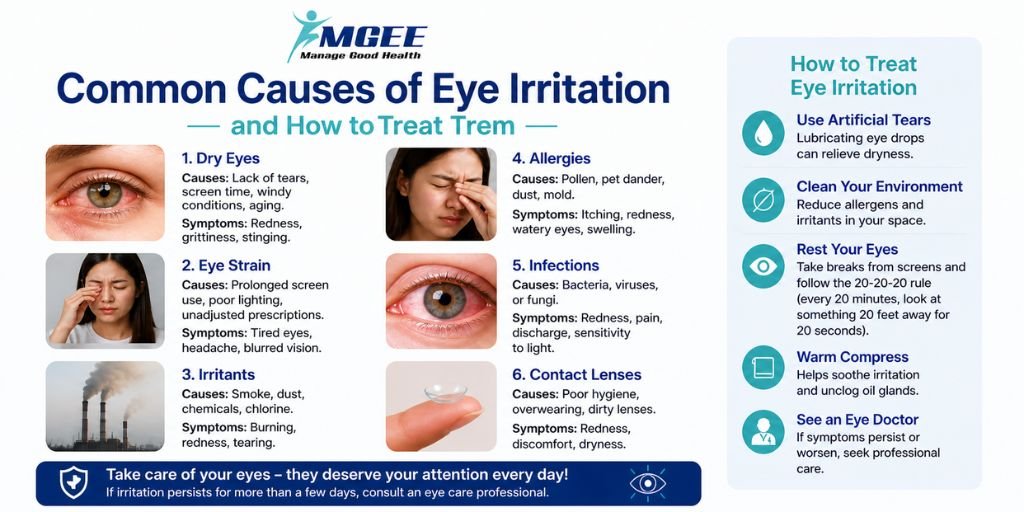
Common Causes of Eye Irritation and How to Treat Them

We often take our vision for granted until the moment it becomes uncomfortable. That sudden “gritty” feeling, a persistent itch, or eyes that look like a road map of red veins can derail your entire day. Eye irritation is one of the most common physical complaints globally, but because the symptoms often overlap, it can be difficult to pinpoint exactly what is going wrong.

Whether you are dealing with seasonal changes, digital strain, or an underlying health issue, understanding the common causes of eye irritation and how to treat them is the first step toward lasting relief. In this guide, we will explore the primary culprits behind ocular discomfort, from environmental factors to medical conditions, and provide the most effective ways to restore your eye health.

Understanding the Anatomy of Eye Irritation

Before diving into specific causes, it is helpful to understand why our eyes react so strongly to irritants. The surface of the eye, specifically the cornea and conjunctiva, is one of the most sensitive parts of the human body. It is densely packed with nerve endings designed to alert you to the presence of even the smallest dust particle.

The “tear film” acts as the first line of defense. This film is composed of three distinct layers:

  1. The Mucin Layer: The innermost layer, produced by the conjunctiva, which keeps tears stuck to the eye and ensures even distribution.
  2. The Aqueous Layer: The thickest middle layer, produced by the lacrimal glands, providing moisture, oxygen, and nutrients to the cornea while washing away debris.
  3. The Lipid Layer: The oily outer layer produced by the Meibomian glands, which prevents the aqueous layer from evaporating too quickly and keeps the surface smooth for blinking.

When any of these layers are disrupted—whether by inflammation, aging, or environmental factors—you experience irritation. By identifying the common causes of eye irritation and how to treat them, you are essentially learning how to protect and repair this delicate biological shield.

1. Seasonal and Environmental Allergies

Allergic conjunctivitis is arguably the leading cause of itchy, watery eyes. When your immune system overreacts to a foreign substance—like pollen, pet dander, or dust mites—it releases histamines. These chemicals cause the blood vessels in your eyes to swell, leading to redness and intense itching. Unlike dry eye, which often feels “scratchy,” allergies are almost always characterized by a distinct “itch.”

How to Treat It:

  • Avoidance: Monitor local pollen counts and keep windows closed during peak times (usually early morning and dusk).
  • Cold Compresses: Placing a cool, damp cloth over closed eyes can constrict blood vessels and soothe itching instantly.
  • Antihistamine Drops: Over-the-counter (OTC) drops specifically labeled for allergies (containing ingredients like ketotifen or olopatadine) can block the histamine response.
  • Saline Rinses: Using a sterile saline wash can help flush allergens out of the eye after you have been outdoors or playing with pets.

2. Chronic Dry Eye Syndrome (DES)

Dry eye occurs when your tear glands don’t produce enough tears, or when the tears they do produce are poor quality and evaporate too quickly. This isn’t just about moisture; it is a complex condition that can lead to inflammation and scarring if left unchecked.

Understanding the common causes of eye irritation and how to treat them in relation to dry eye is essential, as environmental factors like wind, smoke, or even the air conditioning in your office often exacerbate the condition. Many people mistake dry eye for an allergy because the eye often “over-waters” (reflex tearing) to compensate for the dryness, leading to further confusion.

How to Treat It:

  • Artificial Tears: Use preservative-free lubricating drops to supplement your natural tear film. Avoid “redness relief” drops (vasoconstrictors) for chronic dry eye, as they can cause rebound redness.
  • Humidifiers: If you live in a dry climate or use indoor heating/cooling, a humidifier adds essential moisture to the air, slowing tear evaporation.
  • Omega-3 Supplements: Some studies suggest that fish oil or flaxseed oil can improve the oil quality in your tears, reducing evaporation.
  • Punctal Plugs: In severe cases, an eye doctor can insert tiny plugs into your tear ducts to keep your natural tears on the eye longer.

3. Digital Eye Strain (The 21st Century Epidemic)

In the modern world, we spend hours staring at computers, smartphones, and tablets. This leads to “Computer Vision Syndrome” or Digital Eye Strain. When we look at screens, we blink significantly less—up to 66% less than usual. Blinking is the mechanism that spreads fresh tears across the eye; without it, the surface becomes parched and irritated.

How to Treat It:

  • The 20-20-20 Rule: Every 20 minutes, look at something 20 feet away for at least 20 seconds. This simple habit “resets” your eye muscles and encourages blinking.
  • Blue Light Filters: While the evidence is mixed on blue light damage, many users find that warm-toned screen filters or “Night Shift” modes reduce visual fatigue.
  • Screen Positioning: Ensure your monitor is about 20–28 inches away from your face and slightly below eye level. This position ensures your eyelids cover more of your eye, reducing tear evaporation.

4. Chemical Irritants and Household Fumes

We often overlook the chemicals we use daily. Hair sprays, perfumes, cleaning supplies, and even the “new car smell” are packed with Volatile Organic Compounds (VOCs) that can irritate the mucous membranes of the eyes. Chlorine in swimming pools is another major offender, stripping away the lipid layer of the tear film and leaving the eye exposed to chemicals and bacteria.

How to Treat It:

  • Ventilation: Always ensure a window is open or a fan is running when using heavy cleaning chemicals like bleach or ammonia.
  • Goggles: If you are a frequent swimmer, high-quality airtight goggles are non-negotiable for preventing chemical conjunctivitis.
  • Flushing: If a liquid chemical splashes in your eye, flush it with lukewarm water for at least 15 minutes immediately and seek medical attention to prevent chemical burns.

5. Contact Lens Irritation and Overuse

While contact lenses provide freedom from glasses, they are still foreign objects resting on your cornea. Irritation can stem from wearing lenses for too many hours (hypoxia, or lack of oxygen), a build-up of proteins on the lens surface, or a reaction to the preservatives in your disinfecting solution.

How to Treat It:

  • The “Glasses Break”: If your eyes feel irritated, remove your contacts immediately and wear glasses for the remainder of the day.
  • Switch Solutions: You may be sensitive to the preservatives in “multi-purpose” solutions; try a hydrogen-peroxide-based cleaning system (following the instructions carefully to ensure the solution neutralizes).
  • Daily Disposables: These are the gold standard for sensitive eyes because you start with a sterile, protein-free lens every single morning.

6. Blepharitis, Styes, and Meibomian Gland Dysfunction (MGD)

Blepharitis is a chronic inflammation of the eyelids, often caused by a bacterial overgrowth or clogged oil glands (Meibomian glands) at the base of the eyelashes. This often leads to “crusty” eyes in the morning. A stye, meanwhile, is a localized infection that looks like a painful red pimple on the edge of the lid.

When investigating the common causes of eye irritation and how to treat them, MGD is frequently cited as a root cause of dry eye, as the lack of oil causes tears to evaporate almost instantly upon blinking.

How to Treat It:

  • Warm Compresses: A warm cloth (or a dedicated microwaveable eye mask) held against the eyes for 5–10 minutes softens hardened oils.
  • Lid Scrubs: Use specialized eyelid wipes or a mixture of warm water and baby shampoo to gently clean the lash line of debris and bacteria.
  • In-Office Treatments: Procedures like LipiFlow or BlephEx can help clear out clogged glands more effectively than home care for chronic sufferers.

7. Infectious Conjunctivitis (Pink Eye)

Conjunctivitis can be viral, bacterial, or fungal. Bacterial infections usually involve a thick, yellowish discharge that sticks the eyelids together, while viral versions (often associated with the common cold or upper respiratory infections) are typically watery and highly contagious.

How to Treat It:

  • Viral: Usually must run its course (7–14 days), though cool compresses and artificial tears can help with comfort.
  • Bacterial: Requires prescription antibiotic drops from a healthcare provider.
  • Hygiene: Wash your hands frequently, discard any eye makeup used during the infection, and do not share towels or pillowcases.

8. Foreign Bodies and Corneal Abrasions

Sometimes the irritation isn’t a disease or an allergy, but a physical injury. A tiny piece of metal, a speck of sand, or even a fingernail scratch (corneal abrasion) can cause intense pain, tearing, and the “foreign body sensation”—the feeling that something is still in the eye even after it has been removed.

How to Treat It:

  • Do Not Rub: Rubbing an eye with a foreign body can cause it to scratch the cornea deeply, leading to permanent scarring.
  • Blink and Flush: Use artificial tears or a saline eyewash to try and wash the object out naturally.
  • Professional Help: If pain persists or vision is blurred, see an eye doctor immediately. They can safely remove the object and prescribe antibiotic drops to prevent infection in the scratch.

9. Pediatric Eye Irritation: Special Considerations

Children often cannot articulate what is wrong with their eyes. They may simply rub them excessively, become irritable, or avoid bright lights. Common causes in children include blocked tear ducts (common in infants), “school-yard” pink eye, and increasingly, digital strain from excessive tablet use.

How to Treat It:

  • Monitoring: Look for squinting, head-tilting, or rubbing after schoolwork, which may indicate that the irritation is actually a vision problem causing strain.
  • Gentle Cleaning: Use a warm, soft cotton ball to wipe away any discharge from a child’s eye, always moving from the inner corner toward the outer edge.
  • Limit Screen Time: Ensure children take frequent breaks from digital devices to prevent early-onset digital eye strain.

Frequently Asked Questions (FAQ)

Can diet affect eye irritation?

Yes. A diet rich in Omega-3 fatty acids (found in salmon, walnuts, and chia seeds) and vitamins A, C, and E can support healthy tear production and reduce ocular inflammation.

Why do my eyes burn when I use eye drops?

If you are using drops with preservatives, your eyes might be reacting to the chemicals. Alternatively, if your eyes are severely dry, the “re-wetting” process can sometimes cause a temporary stinging sensation.

Is eye irritation a symptom of COVID-19?

While less common than respiratory symptoms, conjunctivitis (pink eye) has been reported as a symptom of various viral infections, including COVID-19. If redness is accompanied by fever or cough, consult a physician.

Environmental Protection: A Preventative Approach

The best way to manage the common causes of eye irritation and how to treat them is to prevent the irritation from occurring in the first place.

  • Wraparound Sunglasses: These protect the eyes not just from UV rays, but from wind and airborne debris that can dry out the tear film.
  • Workplace Safety: If you work in construction, woodworking, or a laboratory, safety glasses are a requirement to prevent physical and chemical injuries.
  • Sleep Hygiene: The eyes repair themselves while you sleep. Chronic lack of sleep leads to decreased tear production and increased ocular surface inflammation.

When to See a Professional

While many cases of eye irritation can be managed at home, certain “red flag” symptoms require an immediate trip to an ophthalmologist:

  1. Sudden loss of vision or significant blurring.
  2. Severe eye pain or deep, throbbing aching.
  3. Extreme sensitivity to light (photophobia).
  4. The feeling that a foreign object is stuck in the eye that won’t flush out.
  5. Seeing “halos” or rainbow-colored rings around lights.

For more in-depth clinical information on diagnosing specific ocular conditions, the Mayo Clinic provides an excellent breakdown of the various triggers and long-term management strategies for eye redness and discomfort.

Summary Checklist for Immediate Relief

If your eyes are bothering you right now, follow these three universal steps:

  1. Stop rubbing: Rubbing releases more histamines and can scratch the cornea.
  2. Flush it out: Use sterile saline or artificial tears to remove potential irritants.
  3. Apply a compress: Use cold for itching/allergies and warm for crusting/clogged glands.

Conclusion

Taking care of your eyes is about more than just seeing clearly; it’s about comfort and long-term ocular health. By identifying the common causes of eye irritation and how to treat them, you can stop minor issues from becoming chronic problems. Remember that your eyes are incredibly resilient, but they require proper hygiene, protection, and occasional rest to function at their best. If home remedies don’t show results within 48 hours, always prioritize a professional exam to protect your vision for the long term.

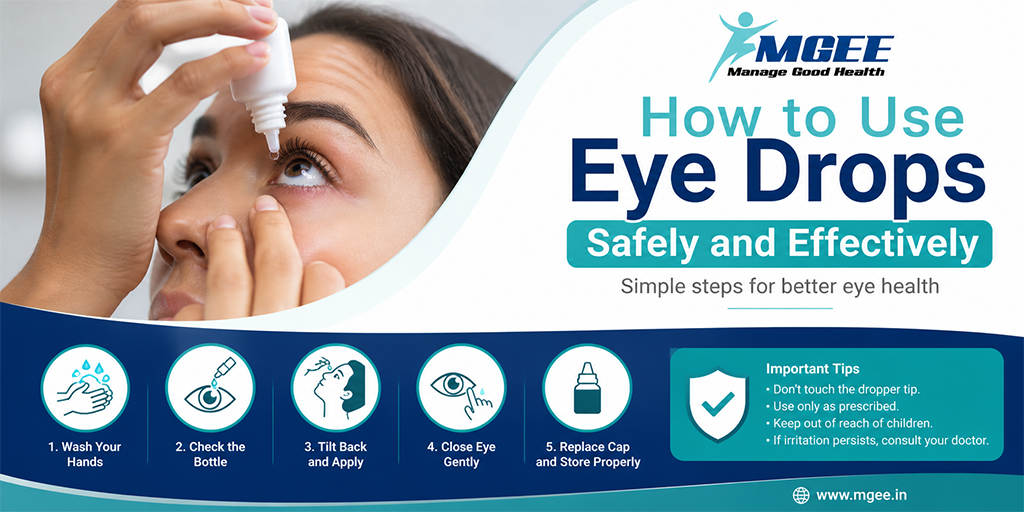
How to Use Eye Drops Safely and Effectively

Maintaining eye health often requires the use of topical medications, yet many people are surprised to learn that there is a specific “art” to administering eye drops. Whether you are managing chronic glaucoma, battling seasonal allergies, or simply soothing dry eyes after a long day of screen time, knowing how to use eye drops safely and effectively is the difference between successful treatment and wasted medication.

In this comprehensive guide, we will break down the step-by-step process, highlight common mistakes to avoid, and provide professional tips to ensure your eyes get the care they deserve.

Why Proper Technique Matters

The eye is a delicate organ with a limited capacity to hold fluid. A single drop from a standard bottle is typically larger than the volume the eye can actually absorb. If administered incorrectly, the medication may simply wash away, or worse, introduce bacteria into the eye.

Furthermore, some prescription eye drops can cause systemic side effects if they drain into the tear ducts and enter the bloodstream. Using the correct technique minimises these risks and ensures the active ingredients stay exactly where they are needed: on the surface of your eye.

Step-by-Step: How to Use Eye Drops Effectively

Follow these eleven steps to master the administration of your eye medication.

1. Preparation is Key

Before you even touch the bottle, wash your hands thoroughly with soap and warm water. Your hands carry oils, dirt, and bacteria that can easily cause an eye infection. If you have any crusting around your eyes, use a clean, warm compress to gently wipe it away, moving from the inner corner (near the nose) outward.

2. Check the Label

Always double-check the medication. Many people have accidentally put eye drops or even superglue in their eyes because the bottles looked similar. Confirm the expiration date and ensure the seal was not broken before the first use. If the instructions say to “shake well,” do so for about 10 seconds.

3. Position Your Body

You can apply drops while sitting, standing, or lying down. Most people find it easiest to tilt their head back or lie flat on their back. This uses gravity to help the drop land squarely on the eye.

4. Create a “Pocket”

Using your non-dominant hand, gently pull down your lower eyelid with your index finger. This creates a small “cup” or “pocket” between the eyelid and the eyeball.

5. Look Upward

Focus your eyes on a point on the ceiling. This moves the cornea (the sensitive, clear part of your eye) away from the path of the drop, reducing the urge to blink.

6. The “No-Touch” Rule

Hold the bottle with your dominant hand. Position the tip about an inch above the eye. Crucially, never let the tip of the bottle touch your eye, eyelashes, or skin. Touching these surfaces can contaminate the entire bottle with bacteria.

7. Release the Drop

Squeeze the bottle gently so that exactly one drop falls into the pocket you created with your lower lid.

8. Close Your Eyes Gently

Release your lower lid and close your eyes. Do not blink vigorously or squeeze your eyes shut. Blinking acts like a pump that pushes the medication out of the eye and into the tear ducts.

9. Use the “Punctal Occlusion” Technique

This is the most important step for safety. While your eyes are closed, use your index finger to apply gentle pressure to the inner corner of your eye (near the bridge of your nose). This blocks the tear duct (puncta), keeping the medicine on the eye for longer and preventing it from draining into your throat and bloodstream. Hold this for 1 to 2 minutes.

10. Wipe Away Excess

Use a clean tissue to pat away any liquid that may have spilt onto your cheek or eyelid.

11. Final Clean Up

Replace the cap immediately. Wash your hands again to remove any traces of medication.

Common Mistakes to Avoid

Even seasoned users can fall into bad habits. Avoid these frequent pitfalls:

  • Using Too Many Drops: Your eye can only hold about one-sixth of a drop. Applying two or three drops at once is a waste of money and medication.
  • Blinking Immediately: As mentioned, blinking “washes” the medicine away. Practice keeping the eye still and closed.
  • Forgetting to Remove Contacts: Most eye drops contain preservatives that can be absorbed by contact lenses, causing irritation or damage. Unless your doctor says otherwise, remove contacts and wait at least 15 minutes after the drop before putting them back in.
  • Mixing Medications: If you use multiple types of drops (e.g., a glaucoma drop and an artificial tear), wait at least 5 to 10 minutes between them. If you apply them back-to-back, the second drop will simply wash out the first.
  • Using Expired Drops: Most multi-dose bottles should be discarded 30 days after opening, regardless of the date on the box, because the preservatives lose their effectiveness over time.

Safety First: Storage and Maintenance

How you store your eye drops is just as important as how you use them.

  1. Temperature Control: Most drops should be kept at room temperature in a cool, dry place. However, some (like certain glaucoma medications) require refrigeration. Read the insert carefully.
  2. Keep it Dark: Sunlight can degrade the chemical composition of many medications. Keep the bottle in its original box if possible.
  3. Out of Reach of Children: Some redness-relieving drops contain toxic chemicals if swallowed. Always store them in a high cabinet or locked box.

Special Considerations for Children and Seniors

Administering to Children

Children are often fearful of things approaching their eyes. For toddlers, try the “closed-eye” method:

  • Have the child lie down with their eyes closed.
  • Place the drop in the inner corner of the eye (the “nook” near the nose).
  • Tell the child to open their eyes and blink. The drop will naturally roll into the eye.

Tips for Seniors

Arthritis or shaky hands can make squeezing small bottles difficult. If you struggle with aim or grip:

  • Use a Prop: Rest the hand holding the bottle on your forehead to steady it.
  • Assistive Devices: Ask your pharmacist about “eye drop dispensers” or “bottle squeezers” that provide extra leverage and help align the bottle over the eye.

When to See a Professional

While over-the-counter (OTC) drops are great for temporary relief, they aren’t a cure-all. You should consult an eye care professional if:

  • Your symptoms (redness, itching, dryness) persist for more than 72 hours.
  • You experience sudden vision changes or severe eye pain.
  • You see “halos” around lights.

For more detailed information on managing chronic eye conditions, you can visit the American Academy of Ophthalmology for clinical resources and patient education.

Conclusion

Learning how to use eye drops safely and effectively is a vital skill for anyone concerned with their long-term vision. By taking an extra two minutes to wash your hands, use the pocket technique, and apply pressure to the tear ducts, you ensure that every drop counts toward your recovery. Remember: stay steady, don’t touch the tip, and when in doubt, always ask your pharmacist for a demonstration!

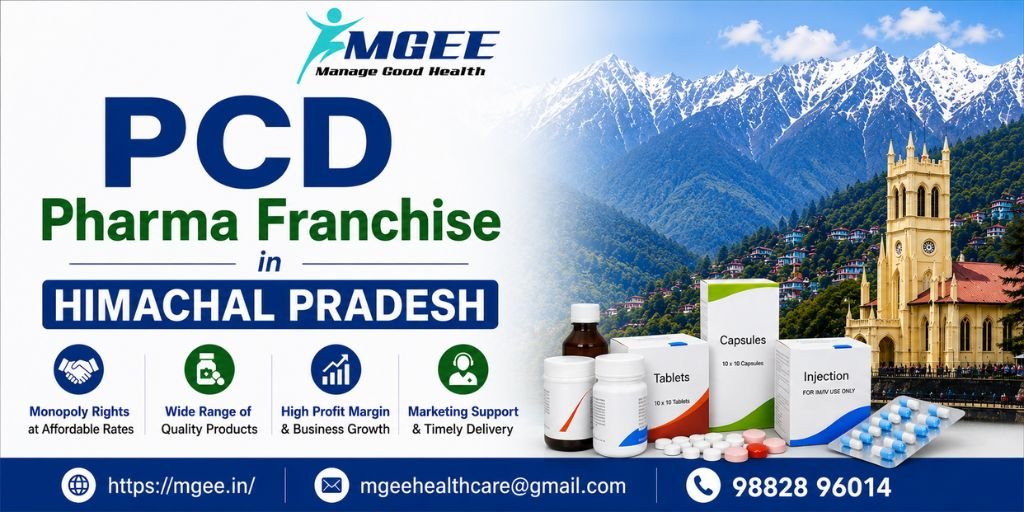
PCD Pharma Franchise in Himachal Pradesh

The Indian pharmaceutical sector has long looked toward the “Devbhumi” not just for spiritual solace, but for industrial dominance. Today, Himachal Pradesh stands as the pharmaceutical capital of Asia. Specifically, the Baddi-Barotiwala-Nalagarh (BBN) belt and the district of Solan produce nearly 35% of the total medicines consumed in India. For any entrepreneur, medical representative, or healthcare professional, a PCD Pharma Franchise in Himachal Pradesh represents a golden ticket to a recession-proof and highly profitable business venture.

In this exhaustive guide, we explore why this mountain state has become a global manufacturing powerhouse. Furthermore, we provide a step-by-step framework to help you choose the right partner, navigate legal hurdles, and dominate your local market in 2026.

1. Why is Himachal Pradesh the “Pharma Capital” of India

The growth of the pharmaceutical industry in Himachal Pradesh is a story of strategic planning and geographical advantage. Since the early 2000s, both state and central governments have turned this region into a specialised hub for medicine production.

The Tax-Free Heritage and Industrial Clusters

Historically, central excise holidays and tax incentives attracted giants like Cipla, Dr Reddy’s, and Abbott to the hills of Baddi and Solan. Although those specific tax holidays have evolved, the massive infrastructure remains. Today, the state offers a “Single Window Clearance” system. Consequently, manufacturers can set up units faster here than anywhere else in the country.

Ideal Climatic Conditions for Medicine Storage

Pharmaceuticals are sensitive to heat and humidity. Himachal’s naturally cooler climate serves as a natural stabiliser for chemical formulations. This environment reduces the energy costs associated with maintaining cold chains and temperature-controlled warehouses. Therefore, products manufactured and stored here often maintain better bioavailability and longer shelf life.

Unmatched Logistics and Supply Chain

Himachal Pradesh is exceptionally well-connected to North Indian states like Punjab, Haryana, and Delhi. The massive trucking unions in Baddi ensure that whether you are in Kerala or Assam, your stock arrives from the Himachal factory in record time. This logistical reliability is a core reason why thousands of franchise owners prefer companies based in this region.

2. Key Advantages of a PCD Pharma Franchise in Himachal Pradesh

When you partner with a company operating in Himachal, you aren’t just buying medicine; you are buying into an ecosystem of quality.

1. High-Quality WHO-GMP Formulations

The concentration of manufacturing units in Himachal ensures fierce competition. To survive, companies must adhere to the highest standards. Most firms here operate out of WHO-GMP and ISO 9001:2015 certified units. As a franchise partner, this means you can confidently tell a doctor that your product is “Export Quality.”

2. Competitive “Net Rates”

Since the raw materials (APIs) and packaging industries are all located within the state, the cost of production is significantly lower than in non-hub regions. These companies pass those savings to you. You get competitive net rates, which allow you to offer better margins to retail chemists while keeping a healthy profit for yourself.

3. Extensive Product Variety

Because Himachal houses thousands of manufacturing units, the variety of formulations is staggering. You can find everything from general tablets to specialised oncology drugs, sophisticated inhalers, and advanced derma-cosmetics. You can easily find a “one-stop shop” that covers your entire requirement.

3. Top Districts and Hubs for Pharma Business in Himachal

If you are looking for a PCD Pharma Franchise in Himachal Pradesh, you should focus your search on these three major zones:

  • Baddi (Solan District): This is the heart of the industry. It hosts the corporate offices and factories of over 2,000 pharma companies. It is the best place to find bulk manufacturers and third-party partners.
  • Paonta Sahib (Sirmaur District): Known for its massive production units, this area is a secondary hub that offers excellent connectivity and established names in the industry.
  • Kala Amb: A growing industrial zone that offers more affordable entry points for new startups and smaller PCD firms looking for flexible partnership terms.

4. How to Choose the Right PCD Pharma Partner in 2026

With so many options available, selecting a partner requires a logical and data-driven approach. Do not be swayed by low prices alone.

Evaluate the “Molecule Innovation”

In 2026, old formulations are being replaced by newer, more effective molecules. Does the company launch new products every quarter? A partner that keeps up with the latest DCGI-approved formulations will help you stay ahead of the competition.

Check the Packaging Aesthetics

In the pharmaceutical trade, “what looks good sells well.” Doctors and patients judge quality by the packaging. Ensure the company uses premium ALU-ALU or Blister packaging with high-quality printing. Substandard packaging can lead to product degradation and loss of brand trust.

Monopoly Rights and Territory Security

Success in a PCD franchise depends on your ability to control your market. Ensure your agreement explicitly grants you Monopoly Rights for your chosen district. This prevents the company from supplying to another distributor in your area, protecting your marketing investment.

5. Regulatory and Legal Requirements

To operate a pharma business, you must strictly follow the guidelines set by the Central Drugs Standard Control Organisation (CDSCO).

The Essential Checklist:

  1. Wholesale Drug License (WDL): This is your primary legal permit. You will need a physical premise (minimum 10-15 sq. m) and the signature of a registered pharmacist.
  2. GST Registration: Necessary for all tax filings and interstate trade.
  3. FSSAI License: If your portfolio includes vitamins, minerals, or protein powders (Nutraceuticals), you must have an FSSAI registration.
  4. Territory Agreement: A notarised document between you and the parent company defining the terms of the franchise.

6. High-Growth Therapeutic Segments to Target

To ensure rapid growth in 2026, align your portfolio with these high-demand categories:

1. Neuro-Psychiatry

Post-pandemic awareness regarding mental health has surged. Medicines for anxiety, depression, and sleep disorders are in high demand. Partnering with a Himachal firm that has a specialised neuro division is a smart move.

2. Cardiac and Diabetic Care (Lifestyle Range)

India is often called the “Diabetes Capital.” The demand for chronic care medicine is permanent. These products offer high “patient loyalty,” meaning once a patient starts your brand, they will likely continue for life.

3. Dermatology and Cosmetology

The “Skin Health” market is booming. From antifungal creams to advanced anti-ageing serums, the derma segment offers the highest profit margins in the industry.

4. Critical Care and Injectables

While these require better storage (cold chains), they are used in hospitals and nursing homes where the volume and price points are significantly higher.

7. Marketing Strategies for a Successful Franchise

Having the best product is useless if the doctor doesn’t prescribe it. You need a robust marketing plan.

Physician Detailing

Use the “Visual Aids” provided by your parent company. Modern Himachal-based firms now provide Digital Detailing tools—tablets that show animations of how the drug works. This professional approach helps you stand out in a crowded clinic.

The Retailer-Connect

The retail chemist is your best friend. Build a relationship by ensuring they never run out of stock. Offer them fair margins and occasionally provide them with “P.O.B” (Personal Order Booking) incentives.

Leveraging Local SEO and Digital Presence

In 2026, even doctors search for medicines online.

  • Google Business Profile: Register your agency so local clinics can find you.
  • WhatsApp Marketing: Use professional catalogues to keep chemists updated on new arrivals.
  • LinkedIn: Connect with hospital purchase managers and healthcare professionals in your region.

8. Common Challenges and How to Overcome Them

Starting a business in the hills comes with its own set of hurdles.

  • Inventory Management: Stockpiling too much leads to “Near Expiry” risks. Use simple software to track your batches and follow the FIFO (First-In, First-Out) method.
  • Payment Cycles: The pharma trade often runs on credit. Set clear credit terms with your retailers to ensure your cash flow remains healthy.
  • Market Competition: Instead of fighting on price, fight on Service and Availability. A chemist will choose the distributor who delivers in 2 hours over the one who offers a 5% extra discount but delivers in 2 days.

9. Future Trends in the Himachal Pharma Sector (2026-2030)

The state is currently transitioning toward “Green Pharma.” New policies are encouraging manufacturers to reduce their carbon footprint. Furthermore, there is a massive push for the production of Biosimilars and Peptide-based medications.

As a franchise owner, staying updated on these trends is vital. The next decade will belong to companies that can provide high-end, biotech-based medicines alongside traditional allopathic ones.

10. Related Keywords and SEO Metadata

For maximum ranking power on Google, this post targets the following clusters:

  • Primary Keywords: PCD Pharma Franchise in Himachal Pradesh, Pharma Franchise Baddi, Best pharma company in Solan.
  • Secondary Keywords: Third-party manufacturing, Himachal, Neuro-Psychiatry franchise Baddi, WHO-GMP certified pharma firms.
  • Long-Tail Keywords: How to start a pharma business in Himachal, Top 10 pharma companies in Baddi for franchise 2026, Medicine distribution rights in Solan.
  • Search Tags: #HimachalPharma #BaddiPharmaHub #PCDFranchise #PharmaBusiness #HealthcareIndia #SolanPharma #BusinessOpportunity2026.

11. Conclusion: The Path Forward

The PCD Pharma Franchise in Himachal Pradesh is more than just a business; it is a gateway to the heart of the Indian medical industry. By leveraging the manufacturing prowess of Baddi and Solan, you can provide top-tier healthcare solutions to your community while building a sustainable financial future.

Success in this field requires a blend of ethics, quality, and persistence. Choose a partner that values innovation, maintains a “patient-first” mindset, and uses modern marketing tools to bridge the gap between the manufacturer and the clinic. The pharmaceutical sector remains the most resilient industry in the world—and there is no better place to start than in the lap of the Himalayas.

Frequently Asked Questions (FAQs)

Q1: What is the typical investment for a pharma franchise in Himachal? A: You can start with an initial stock order of ₹50,000 to ₹1.5 Lakhs. Including licensing and office setup, a total budget of ₹2.5 Lakhs is ideal for a strong start.

Q2: Do companies in Baddi offer “Third Party Manufacturing”? A: Yes. Many firms offer both PCD franchise and Third-Party (Contract) manufacturing for those who want to launch their own brand names.

Q3: Is it possible to get a franchise for just one district? A: Absolutely. Most companies offer district-wise monopoly rights. You can choose a district where you have the strongest medical network.

Q4: How do I handle expired medicines? A: Reputable Himachal companies have a specific “Expiry and Breakage” policy. Usually, they allow a certain percentage of returns for credit notes, provided the products are returned before the actual expiry date.

Q5: Why is Solan called the “Mushroom City” and a “Pharma Hub”? A: Solan is famous for its mushroom production, but industrially, it is the administrative centre for the Baddi-Barotiwala-Nalagarh belt, housing the largest concentration of pharma headquarters in India.

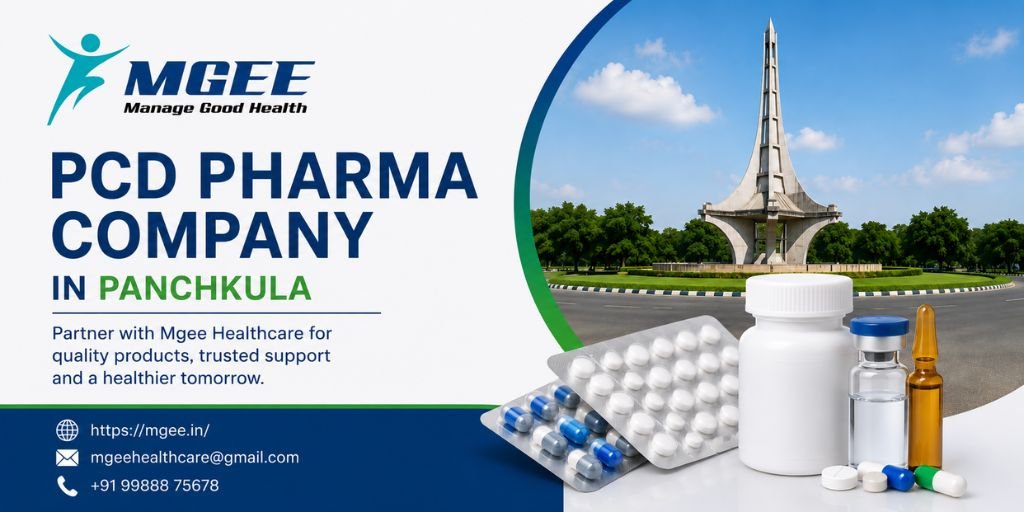
Pcd Pharma Company In Panchkula

The search for a reliable PCD pharma company in Panchkula has intensified as the Indian pharmaceutical market moves toward a projected valuation of $130 billion by 2030. Panchkula, often hailed as the “Corporate Hub of Pharmaceuticals” in North India, offers a unique blend of high-end infrastructure and strategic proximity to manufacturing giants. For any aspiring entrepreneur or medical representative, choosing a partner in this city provides a significant competitive advantage.

In this comprehensive guide, we explore why a PCD (Propaganda-Cum-Distribution) franchise in Panchkula is a goldmine for business growth. Furthermore, we provide a detailed roadmap to help you identify the right partner, understand legal requirements, and implement marketing strategies that drive results in 2026.

1. Why Panchkula is the Ideal Base for Your PCD Pharma Franchise

Panchkula serves as more than just a residential satellite of Chandigarh. Over the last decade, it has transformed into a high-octane business district. Consequently, it now houses the administrative and marketing headquarters of India’s most successful pharmaceutical firms.

The “Tri-City” Strategic Advantage

Panchkula forms part of the Chandigarh Tri-city area. This location offers unparalleled connectivity to the Chandigarh International Airport and major railway networks. Therefore, when you partner with a PCD pharma company in Panchkula, your stock dispatches happen faster. This logistical efficiency ensures that your medicines reach the market exactly when needed.

Proximity to the Baddi Manufacturing Belt

Although the corporate offices reside in Panchkula, the actual manufacturing often takes place in Baddi, Himachal Pradesh—just 40 minutes away. This proximity allows Panchkula companies to maintain strict quality control while keeping operational costs low. As a result, they can offer you more competitive “Net Rates,” which directly increases your profit margins.

Access to Professional Talent

Because Panchkula offers a high quality of life, it attracts the best minds in pharmaceutical marketing and research. When you deal with these companies, you interact with professionals who understand modern medical trends. This expertise is reflected in the high-quality visual aids and scientific literature they provide to you.

2. Key Features of a Leading PCD Pharma Company in Panchkula

To succeed in 2026, you must look beyond the price list. A top-tier PCD pharma company in Panchkula should offer a holistic support system. Here are the non-negotiable features you should look for:

WHO-GMP Certified Manufacturing

Quality is the backbone of the pharmaceutical industry. You must ensure that your partner manufactures products in WHO-GMP (World Health Organisation – Good Manufacturing Practices) certified units. This certification guarantees that every tablet, capsule, or syrup meets international safety standards.

Exclusive Monopoly Rights

Competition can kill a small business. Therefore, a reputable company will offer you written “Monopoly Rights” for your specific territory. This agreement ensures that the company will not appoint another distributor in your district, allowing you to build your market without internal rivalry.

A Diverse and Updated Product Portfolio

Healthcare needs are evolving rapidly. In 2026, you need a partner that offers more than just basic antibiotics. Look for companies that have strong divisions in:

  • Neuro-Psychiatry: Addressing the rising mental health awareness.
  • Cardiac & Diabetic Care: Managing lifestyle-related chronic conditions.
  • Derma & Cosmeceuticals: Tapping into the booming aesthetic medicine market.
  • Nutraceuticals: Focusing on preventive healthcare and immunity.

Robust Promotional Support

A franchise is only as good as its marketing tools. The best companies provide a comprehensive “Franchise Kit” which includes:

  • Visual Detailing Folders (Visual Aids)
  • Glossy Product Manuals
  • MR Bags and Stationeries
  • Reminder Cards and Samples for Doctors
  • App-based digital catalogues for 24/7 ordering.

3. Top Therapeutic Segments Driving Growth in 2026

If you want to maximise your ROI (Return on Investment), you must align your business with current medical demands. Panchkula-based companies are currently leading in these high-growth areas:

The Rise of Chronic Medicine

Diseases like hypertension and diabetes require long-term medication. Consequently, the Cardiac-Diabetic segment offers the highest “patient retention” rate. If a doctor prescribes a brand for a chronic patient, that patient will likely buy it for years.

Pediatric and Gynae Care

Maternal and child health are evergreen segments. Parents rarely compromise on the quality of medicines for their children. Therefore, partnering with a PCD pharma company in Panchkula that specialises in pediatric drops and Gynae supplements is a safe and profitable bet.

Advanced Derma Solutions

The skincare market has shifted from basic creams to “medical-grade” aesthetics. High-end serums, sunscreens, and anti-hair loss therapies are currently seeing double-digit growth in urban and semi-urban markets.

4. How to Evaluate and Select Your Pharma Partner

With hundreds of options available, the selection process requires a systematic approach. Follow these steps to ensure you choose a winner:

Step 1: Check the “Net Rate” vs. “MRP”

While high profit margins are attractive, you must ensure the prices are realistic. If your procurement cost is too high, you won’t be able to offer enough margin to the retail chemist. Conversely, if the price is too low, the quality might be suspect. Aim for a balanced pricing structure.

Step 2: Verify Product Availability

One of the biggest frustrations for a distributor is when a product goes “Out of Stock” (OOS). Ask the company about their inventory management systems. A reliable company in Panchkula will use automated software to ensure that its top-selling brands are always available for dispatch.

Step 3: Assess the Packaging Quality

In the pharma world, the first impression matters. High-quality ALU-ALU or Blister packaging not only protects the medicine but also builds trust with the doctor and the patient. Request physical samples before finalising your order.

Step 4: Examine the Ethics of the Company

Search for online reviews and talk to existing franchise partners. Does the company settle expiry and breakage claims on time? Do they stick to their monopoly promises? Ethical transparency is what builds long-term wealth.

5. Regulatory and Legal Compliance: The Checklist

Before you can start trading, you must comply with the legal framework established by the Central Drugs Standard Control Organisation (CDSCO).

1. Wholesale Drug License (WDL)

To sell medicines, you must obtain a wholesale drug license from your state’s drug controller. This requires a dedicated office space (usually 10-15 sq. meters) and the association of a registered pharmacist.

2. GST Registration

A GST number is mandatory for all commercial transactions. It allows you to claim “Input Tax Credit” and ensures your business is recognised by the taxation authorities.

3. FSSAI License

Many modern PCD portfolios include nutraceuticals and health supplements. Since these are categorised as “food,” you will need an FSSAI registration to distribute them legally.

4. Trade Agreement

Ensure you have a notarised franchise agreement that clearly mentions your territory, the agreed price list, and the terms of the monopoly rights.

6. Marketing Strategies to Dominate Your Territory in 2026

Once you have your stock, the real work begins. To rank high in your local market, you must use a “Hybrid Marketing” approach.

Physician Detailing 2.0

Traditional detailing is evolving. Instead of just showing a folder, use digital detailing tools. Many Panchkula companies provide tablets or mobile apps that allow you to show 3D animations of how a medicine works. This “scientific edge” impresses doctors and increases prescription rates.

The Chemist-First Strategy

The retail chemist is the gatekeeper of your sales. If a doctor prescribes your brand but the chemist doesn’t have it, you lose a sale. Build a strong bond with chemists by offering them fair margins, timely delivery, and occasionally, small promotional gifts provided by your parent company.

Leveraging Local SEO

If someone in your district searches for a “Medicine Distributor in [Your Area],” your name should appear.

  • Google Business Profile: Create a profile for your agency.
  • WhatsApp Business: Use the catalog feature to share your product list with chemists and hospital staff.
  • LinkedIn: Connect with local hospital administrators and nursing home owners.

7. Future Trends: What’s Next for Pharma in Panchkula?

As we look toward 2027 and beyond, the PCD pharma company in Panchkula model is becoming more tech-driven. We are seeing a move toward “Personalised Medicine” and “Smart Packaging.”

Furthermore, the Indian government’s push for “Generic Medicine” (Jan Aushadhi) is actually helping branded PCD franchises. How? As people become more health-conscious, they are willing to pay a slight premium for “Branded Generics” from trusted Panchkula firms that offer better bioavailability and fewer side effects than basic unbranded versions.

8. Strategic Keywords and SEO Metadata

For maximum visibility, this blog post targets the following SEO clusters:

  • Primary Keywords: PCD pharma company in Panchkula, Best pharma franchise in Haryana, Medicine distribution business 2026.
  • Secondary Keywords: Third-party pharma manufacturing Panchkula, Neuro-Psychiatry PCD franchise, Cardiac Diabetic medicine suppliers.
  • Long-Tail Keywords: How to start a PCD pharma franchise in Haryana, Top 10 pharma companies in Panchkula with monopoly rights, Pharma franchise cost in India 2026.
  • Related Search Tags: #PanchkulaPharma #PCDFranchise #PharmaBusiness #HealthcareEntrepreneurs #VibcarePharma #AlbiaBiocare #MedicalMarketing.

9. Conclusion: Your Journey to Becoming a Pharma Tycoon

Choosing the right PCD pharma company in Panchkula is the most significant decision you will make in your professional career. Panchkula provides the corporate backbone, the high-quality formulations, and the marketing innovation you need to succeed. However, your success eventually depends on your persistence and your ability to build trust with the medical community.

By focusing on high-demand therapeutic segments, ensuring legal compliance, and adopting digital marketing tools, you can build a recession-proof business. The pharmaceutical sector is not just about selling tablets; it is about providing health and hope. If you maintain an ethical approach and choose your partner wisely, the rewards—both financial and personal—are limitless.

Frequently Asked Questions (FAQs)

Q1: What is the minimum investment for a PCD franchise in Panchkula? A: Most companies allow you to start with an initial stock order of ₹50,000 to ₹1,00,000. However, you should keep an additional ₹50,000 for licensing and initial marketing expenses.

Q2: Can I get a franchise without a drug license? A: No. It is illegal to trade in medicines without a valid Wholesale Drug License. You must apply for this through your local drug department before starting operations.

Q3: How many products should I start with? A: It is better to start with a focused range of 20-30 fast-moving products rather than 200 slow-moving ones. Master one segment (like General or Gynae) before expanding.

Q4: Do these companies provide samples for doctors? A: Yes. Reputable Panchkula firms provide a specific percentage of free samples with every order to help you with physician detailing.

Q5: How can I check the credibility of a Panchkula pharma firm? A: Check their GST status, WHO-GMP certification, and search for their track record on portals like Indiamart or Pharma-specific forums. A physical visit to their office in Sector 22 or Industrial Area, Panchkula, is highly recommended.

Disclaimer: This guide is for educational purposes. Readers should perform their own due diligence before entering into financial contracts with any pharmaceutical firm.

Pharmaceutical Companies In Ambala

Ambala, a historic city in Haryana, has undergone a massive transformation over the last two decades. While it was once primarily known as the “Science City” for its scientific instrument manufacturing, it has now evolved into one of North India’s most influential pharmaceutical corridors. Today, the landscape of pharmaceutical companies in Ambala represents a multi-billion rupee industry that supports thousands of healthcare professionals and entrepreneurs across the nation.

If you are looking to partner with a PCD Pharma Franchise in Ambala or seeking a reliable third-party manufacturer, you have come to the right place. This guide provides an in-depth analysis of the Ambala pharma cluster, the top players in the market, and why this city is the best destination for your next business venture.

1. Why Ambala has Become a Global Hub for Pharmaceutical Manufacturing

The growth of pharmaceutical companies in Ambala is not a coincidence. Several strategic factors have aligned to make this city a powerhouse of medicine production and distribution.

Strategic Geographic Location

Ambala serves as the gateway to North India. It sits at the junction of major national highways connecting Delhi, Punjab, Himachal Pradesh, and Jammu & Kashmir. This connectivity allows pharma companies to transport goods rapidly to the National Capital Region (NCR) and the Himalayan “tax-free” zones like Baddi and Solan.

Proximity to Asia’s Largest Pharma Hub

Because Ambala is less than 60 kilometers away from Baddi (Himachal Pradesh), it benefits from a shared ecosystem. Many companies have their corporate offices in Ambala while maintaining manufacturing units in Baddi, creating a seamless flow of talent, raw materials, and logistics.

Industrial Infrastructure and the Saha Food Park

The Haryana State Industrial and Infrastructure Development Corporation (HSIIDC) has developed massive industrial estates in Ambala and nearby Saha. These zones offer dedicated power lines, waste management systems, and high-speed internet, which are essential for high-tech pharmaceutical production.

2. Top 10 Pharmaceutical Companies in Ambala to Watch in 2026

Choosing a partner from the hundreds of pharmaceutical companies in Ambala can be daunting. Based on market reputation, product range, and certification standards, here are the leaders of the industry:

1. MGEE Healthcare

  • Tablets & capsules
  • Injectables
  • Syrups & dry syrups
  • Eye/ear drops
  • Ointments & gels

Their manufacturing units are located in an excise-free zone, allowing cost-effective production and export opportunities.


3. Wide Product Range

MGEE Healthcare provides a diverse range of pharmaceutical and healthcare products, including:

  • Antibiotics & general medicines
  • Nutraceuticals & supplements
  • Ayurvedic & herbal products
  • Dermatology & topical solutions
  • Pediatric and critical care medicines

This wide portfolio helps franchise partners cater to multiple healthcare segments effectively.


Quality Assurance & Certifications

Quality is the backbone of MGEE Healthcare. The company strictly follows WHO-GMP standards and maintains advanced quality control systems.

Key highlights:

  • WHO-GMP certified manufacturing units
  • Advanced testing labs (HPLC, GC, etc.)
  • Strict quality control and assurance processes
  • Compliance with international pharma standards

Every product undergoes multiple quality checks to ensure safety, purity, and effectiveness.


Market Presence & Distribution

MGEE Healthcare has established a strong distribution network across India through its PCD franchise model. Its products are widely available in:

  • Hospitals
  • Clinics
  • Pharmacies
  • Healthcare institutions

The company also serves international markets through exports and B2B pharmaceutical partnerships, making it a global player in the pharma sector.


Why Choose MGEE Healthcare?

  • ✔ Trusted pharma brand in India
  • ✔ Affordable and high-quality medicines
  • ✔ Strong franchise support system
  • ✔ Wide product range (150+ brands)
  • ✔ WHO-GMP certified manufacturing
  • ✔ Excellent business growth opportunities

.

2. JM Laboratories

As a leader in third-party manufacturing, JM Laboratories specializes in high-volume production. They are the backbone for many smaller brands, providing WHO-GMP certified tablets, capsules, and liquids at competitive prices.

3. Venistro Biotech

Venistro Biotech has earned its place through consistency. They offer an extensive range of general medicines, including anti-infectives and multi-vitamins. Their commitment to ethical business practices has helped them build a massive network of distributors.

4. Adorefem

Specialization is the key to Adorefem’s success. Unlike general range companies, Adorefem focuses exclusively on Gynae and Infertility products. This niche focus allows them to provide superior quality in a high-demand segment.

5. Casca Remedies Pvt Ltd

With over 38 years in the industry, Casca Remedies is a veteran player. They offer advanced formulations and have a strong research and development (R&D) wing that consistently launches new molecules before competitors.

6. Orange Biotech

Orange Biotech is widely recognized for its Neuro-Psychiatry and Cardiac-Diabetic divisions. Their marketing support is considered among the best in Ambala, providing franchise partners with detailed visual aids and promotional inputs.

7. Penardo Biotech

This company stands out for its state-of-the-art manufacturing collaboration and ISO 9001:2015 certification. Penardo is a prime choice for those looking for monopoly rights in untapped territories.

8. Vibcare Pharma

Known for its transparency and digital-first approach, Vibcare Pharma offers a user-friendly experience for franchise owners. Their product delivery timelines are among the fastest in the region.

9. Shinom Cosmeceuticals

As the demand for skincare rises, Shinom has emerged as a leader in the Derma segment. They produce high-quality antifungal creams, anti-acne soaps, and specialized lotions that are DCGI-approved.

10. Eyeris Vision Care

Ophthalmic health is a growing concern, and Eyeris Vision Care addresses this by producing a wide variety of eye drops and ointments. They are one of the few dedicated ophthalmic pharmaceutical companies in Ambala.

3. The Booming PCD Pharma Franchise Model in Ambala

The PCD (Propaganda Cum Distribution) model is the primary reason why Ambala’s pharma sector has grown so rapidly. This model empowers small entrepreneurs to start their own businesses with minimal investment.

Benefits of Starting an Ambala-Based Franchise:

  • Low Entry Barriers: You can start a franchise with as little as ₹50,000.
  • Monopoly Rights: Companies grant you exclusive rights to sell their products in a specific district, eliminating internal competition.
  • Marketing Support: Most Ambala companies provide free promotional materials, such as visual aids, visiting cards, and samples.
  • High Profit Margins: Since you are dealing directly with the company, there are no “middle-men” eating into your profits.

4. Key Therapeutic Segments Dominating the Ambala Market

Ambala-based manufacturers have diversified into almost every medical category. However, certain segments are seeing unprecedented growth in 2026:

Cardiac and Diabetic Care

As lifestyle diseases increase, the demand for blood pressure and sugar-management medications has skyrocketed. Companies in Ambala are now focusing on “combination therapies” that offer better patient compliance.

Pediatric and Gynae Range

Child and maternal health remain top priorities for the Indian healthcare system. Ambala’s specialized companies, like Adorefem, provide WHO-standard syrups and tablets specifically formulated for these sensitive demographics.

Ayurvedic and Herbal Products

There is a significant shift toward “natural” healthcare. Many pharmaceutical companies in Ambala have launched separate herbal divisions to cater to the growing demand for immunity boosters and herbal supplements.

Nutraceuticals and Multivitamins

The post-pandemic health awareness has made multivitamins a staple in every household. Consequently, manufacturers are producing high-potency antioxidants and protein supplements in large volumes.

5. Understanding Regulatory Compliance and Certifications

In the pharmaceutical world, quality is non-negotiable. To ensure you are partnering with a legitimate firm, you must look for the following certifications:

  1. WHO-GMP (Good Manufacturing Practices): This is the gold standard. It ensures that products are consistently produced and controlled according to quality standards.
  2. ISO 9001:2015: This certification relates to the quality management systems of the company.
  3. DCGI Approval: Every new drug formulation must be approved by the Drug Controller General of India.
  4. FSSAI License: This is mandatory if the company deals in food supplements or nutraceuticals.

Before signing any contract, ask for a copy of these licenses. A transparent company will never hesitate to share its credentials.

6. How to Start Your Own Pharma Business in Ambala

If you are an aspiring entrepreneur, following a structured path is essential for success.

Step 1: Market Research

Identify the demand in your target district. Are doctors looking for better pediatric medicines? Is there a shortage of affordable cardiac drugs? Your choice of company should be based on these market gaps.

Step 2: Documentation

You will need a Wholesale Drug License and a GST Registration. To obtain a drug license, you typically need a premises of at least 15 square meters and a registered pharmacist.

Step 3: Selecting the Right Company

Do not just look for the lowest price. Look for companies that provide quality packaging, timely delivery, and a wide range of products. Visit the facility in Ambala if possible.

Step 4: Marketing and Distribution

Hire experienced Medical Representatives (MRs) to visit doctors. Build strong relationships with retail chemists. In the pharma world, “out of sight is out of mind,” so consistent follow-up is necessary.

7. The Future of Pharmaceutical Companies in Ambala (2026-2030)

The future looks incredibly bright for the Ambala pharma cluster. The government’s focus on the Production Linked Incentive (PLI) Scheme is encouraging local manufacturers to produce Active Pharmaceutical Ingredients (APIs) domestically.

Moreover, Ambala is moving toward digital integration. Many companies are now using AI-driven inventory management and online ordering portals for their franchise partners. This technological shift will make the supply chain more efficient and reduce lead times for distributors.

8. Conclusion: Your Gateway to Success

The ecosystem of pharmaceutical companies in Ambala offers a rare combination of heritage, quality, and innovation. Whether you are a veteran distributor or a young graduate looking to enter the healthcare industry, Ambala provides the tools and the platform to succeed.

By choosing a WHO-GMP certified partner and focusing on high-growth segments like cardiac or derma, you can build a sustainable and profitable business. The pharmaceutical sector is recession-proof, and in a state like Haryana, the growth potential is limitless.

Frequently Asked Questions (FAQs)

Q1: What is the average investment required for a pharma franchise in Ambala? A: You can start with an initial investment ranging from ₹50,000 to ₹2 Lakhs, depending on the product range and company policies.

Q2: Do I need a pharmacist to start a PCD franchise? A: Yes, to obtain a wholesale drug license, you must have a registered pharmacist associated with your firm.

Q3: Are the products from Ambala-based companies export-quality? A: Yes, many companies in Ambala are major exporters to Africa, Southeast Asia, and the Middle East, adhering to international WHO-GMP standards.

Q4: Can I get monopoly rights for my entire state? A: Usually, companies provide district-wise monopoly. However, if you have a large-scale distribution plan, you can negotiate for regional or state-level rights.

Q5: How can I verify the quality of the medicines? A: Always check for the batch testing reports (COA – Certificate of Analysis) provided by the company for every consignment.

Disclaimer: This blog post is for informational purposes. Always consult with legal and pharmaceutical experts before making financial investments.

pcd pharma companies in haryana

The pharmaceutical landscape in India is witnessing a seismic shift toward decentralised distribution. At the heart of this revolution lies the state of Haryana. For any entrepreneur or medical professional who wants to invest in a PCD (Propaganda-Cum-Distribution) Pharma Franchise, Haryana has emerged as the premier destination. Due to its strategic location, world-class manufacturing clusters, and investor-friendly policies, the state offers a fertile ground for business growth.

In this exhaustive guide, we explore why Haryana serves as the “Pharmacy Hub” of North India. Additionally, we identify the top companies you can partner with and provide a strategic roadmap for launching a successful franchise in 2026.

Why Haryana is the Epicentre of Pharma Franchising in India

Haryana’s rise as a pharmaceutical powerhouse is no accident. Instead, a combination of historical manufacturing roots and modern infrastructure has created a unique ecosystem. This environment benefits both manufacturers and franchise partners alike.

1. The Power of Manufacturing Clusters

Cities like Ambala, Panchkula, and Karnal have evolved into specialised hubs. For instance, Ambala, traditionally known as the “Science City,” now hosts hundreds of WHO-GMP certified units. This concentration of manufacturers means that you, as a PCD partner, get direct access to cutting-edge formulations. Consequently, you avoid the logistical headaches of sourcing from multiple states.

2. Proximity to the National Capital Region (NCR)

Because Haryana sits adjacent to Delhi, pharma companies there enjoy an unparalleled advantage. This location improves logistics, regulatory access, and talent acquisition. For a franchise owner, this translates to faster dispatch times. Furthermore, it ensures better communication with corporate offices.

3. Regulatory Excellence and Quality Assurance

The Haryana State Drugs Control Department maintains a stringent yet transparent working environment. Most top PCD Pharma companies in Haryana operate under International Standards (ISO) and Good Manufacturing Practices (GMP). In a business where “quality is the best marketing,” associating with a Haryana-based firm adds an immediate layer of credibility to your portfolio.

Top 10 PCD Pharma Companies in Haryana for 2026

Choosing the right partner constitutes 70% of the battle. Based on product range, ethical transparency, and promotional support, these leading players currently dominate the Haryana market:

  1. Aconwell Pharma (Ambala): This company acts as a powerhouse in the Gynae and Cardiac-Diabetic segments. They have earned a strong reputation for their premium packaging and high-efficacy molecules.
  2. Orange Biotech (Ambala): By specialising in Neuro-Psychiatry and general ranges, they offer one of the most robust “monopoly rights” structures in the industry today.
  3. Vibcare Pharma (Panchkula): As a veteran in the industry, they provide a massive basket of over 500+ products across all therapeutic segments.
  4. Pax Healthcare (Panchkula): This multi-award-winning company maintains a strong focus on antibiotics and anti-infectives.
  5. Albia Biocare (Panchkula): These pioneers in digital integration offer an online portal. Therefore, franchise partners can track orders and inventory in real-time.
  6. Sarthi Lifesciences (Panchkula): They focus specifically on high-quality injectables and pediatric formulations.
  7. Meltic Healthcare (Ambala): This firm is famous for its aesthetic packaging. Moreover, they provide a highly responsive customer support team.
  8. Biotic Healthcare (Panchkula): This company is expanding rapidly. Specifically, they focus on affordable healthcare without compromising on API quality.
  9. Astemax Biotech (Karnal): This rising star in the Karnal pharma cluster specialises in herbal and nutraceutical ranges.
  10. Zodley Pharmaceuticals (Panchkula): They offer extensive support for new entrepreneurs. This includes detailed training and high-quality marketing visual aids.

Essential Requirements to Start a Pharma Franchise in Haryana

While the opportunity is vast, the government strictly regulates the pharmaceutical sector. To operate legally, you must satisfy several specific criteria.

Legal Documentation

  1. Wholesale Drug License: This document serves as your primary permit. The state licensing authority issues it. To obtain this, you will need a registered premise (minimum 10-15 sq. meters) and a registered pharmacist.
  2. GST Registration: Since you will move goods between states or within the state, a GST number is mandatory for tax compliance.
  3. FSSAI Registration: If you plan to distribute nutraceuticals or food supplements, you will need an FSSAI license. Notably, these items remain in high demand throughout 2026.

Financial Planning

A PCD franchise in Haryana attracts investors because it requires a low entry cost.

  • Initial Stock Investment: ₹50,000 to ₹2,00,000.
  • Licensing and Documentation: ₹15,000 to ₹30,000.
  • Marketing and Office Setup: ₹20,000 to ₹50,000.

High-Growth Therapeutic Segments for 2026

To maximise your Return on Investment (ROI), you should focus on segments that currently experience a surge in demand:

1. Chronic Care (Cardiac & Diabetic)

With the increasing prevalence of lifestyle disorders, medicines for blood pressure and diabetes have become “repeat-sale” items. Consequently, this ensures a steady monthly income for your franchise.

2. Dermatology and Medical Cosmetology

The “skin-conscious” consumer base has grown significantly. As a result, products like sunscreens, anti-acne gels, and hair growth serums are seeing double-digit growth.

3. Neuro-Psychiatry

In the post-pandemic era, doctors are placing a significant focus on mental health. Therefore, partnering with a company that has a strong neuro division can give you a competitive edge in specialised clinics.

4. Critical Care and Injectables

While these require better storage infrastructure, such as cold chains, they offer significantly higher profit margins compared to oral solids.

Strategic Marketing: How to Scale Your Franchise

In 2026, simply handing out a pamphlet to a doctor is not enough. Instead, you need a 360-degree marketing approach.

The Power of Detailing

Professional visual aids remain your greatest tool. Top companies in Haryana provide “Visual Detailing Folders.” These folders use scientific charts to explain product benefits. You must also ensure your sales team understands the pharmacology of the molecules they promote.

Building Retailer Loyalty

Your relationship with the retail chemist is just as important as your relationship with the doctor. If a chemist does not stock your brand, they will substitute the doctor’s prescription with a competitor’s product. To prevent this, offer “P.O.B” (Personal Order Booking) incentives to chemists.

Digital Footprint

In today’s digital age, even local businesses must have an online presence.

  • Google Business Profile: You should ensure that your agency appears on Google Maps.
  • LinkedIn Networking: Connect with local hospital administrators and doctors on LinkedIn to build professional rapport.
  • WhatsApp Marketing: Use professional WhatsApp Business catalogues. This keeps chemists updated on new launches or stock availability.

Understanding the “Monopoly Rights” Concept

One of the biggest advantages offered by PCD Pharma companies in Haryana is monopoly-based distribution. Under this model, the parent company grants you exclusive rights to market their brands in a specific district.

Why this matters:

  • Price Control: You do not have to worry about other distributors undercutting your prices.
  • Business Security: You can invest in marketing your territory with the confidence that you will reap the long-term rewards.
  • Focused Growth: You can build a concentrated network of doctors and chemists without any internal interference.

Common Pitfalls and How to Avoid Them

Success in the pharma trade requires discipline. Therefore, you should avoid these common mistakes:

  • Ignoring Expiry Dates: Always follow the FIFO (First-In, First-Out) method in your warehouse. Selling expired medicine is a criminal offence. Moreover, it will ruin your reputation instantly.
  • Over-leveraging Credit: While the pharma trade runs on credit, you should avoid giving excessive credit to retailers. Instead, maintain a healthy cash flow so you can pay your parent company on time for fresh stock.
  • Choosing Price Over Quality: Cheap medicines often have stability issues. If a patient does not get results, the doctor will stop prescribing your brand forever. Always choose WHO-GMP certified products.

The Role of Government Initiatives

The Indian government’s “Make in India” initiative and the “Haryana Pharmaceutical Policy” have simplified the ease of doing business. Subsidies for setting up cold storage and incentives for small-scale distributors now make it easier for young professionals to start their own pharma ventures.

For more information on national policies, you can visit the Department of Pharmaceuticals website. This site provides regular updates on drug pricing and industry regulations.

Conclusion: A Lucrative Future Awaits

The PCD Pharma franchise business in Haryana is not just a commercial venture; rather, it is a service to the community. By providing high-quality, affordable medicines, you contribute to the health of the nation while building a profitable legacy.

With the state’s manufacturing prowess and your local market knowledge, the synergy is perfect. As we look through 2026, the demand for pharmaceuticals shows no signs of slowing down. If you are ready to work hard, choose a reliable partner, and maintain an ethical approach, the sky is the limit for your growth.

Frequently Asked Questions (FAQs)

1. What is the minimum space required for a pharma franchise office in Haryana?

As per current guidelines, you need a minimum area of 10 to 15 square meters for a wholesale drug license. Additionally, the premise must have proper flooring and a concrete ceiling.

2. How much time does it take to start the business?

Once you choose a company and finalise the agreement, obtaining the drug license usually takes 30 to 45 days. Thus, you can be operational within two months.

3. Can I take a franchise for just one specific district like Gurugram?

Yes, most PCD companies in Haryana provide district-wise monopoly rights. Therefore, you can choose Gurugram, Rohtak, Hisar, or any other district based on availability.

4. Do companies provide training for new franchisees?

Yes, the top-tier companies offer “Product Knowledge” training. They even help you recruit and train your first set of Medical Representatives.

5. What if I want to surrender my franchise?

Most agreements have a notice period of 30-90 days. You can settle your accounts and return any unsold, non-expired stock according to the company’s return policy.

This article was written to provide a comprehensive roadmap for entrepreneurs. Always conduct thorough due diligence and consult with a legal expert before signing any commercial contracts.

PCD Pharma Franchise Company in Punjab

The pharmaceutical industry in India is expanding at a remarkable pace, and Punjab has emerged as one of the most promising regions for pharma business opportunities. If you are planning to start a business with low investment and high returns, choosing a PCD Pharma Franchise Company in Punjab can be a highly profitable decision.

In this detailed guide, you will learn everything about the PCD pharma franchise model, its benefits, how to choose the right company, investment requirements, and tips to succeed. This blog is crafted with SEO-friendly structure and naturally incorporates the keyword “PCD Pharma Franchise Company in India” to help you understand both local and national perspectives.


What is a PCD Pharma Franchise?

A PCD (Propaganda Cum Distribution) Pharma Franchise is a business model where a pharmaceutical company grants distribution and marketing rights of its products to individuals or distributors in a specific area.

In simple terms, a PCD Pharma Franchise Company in India allows you to sell their medicines using their brand name while providing monopoly rights, promotional support, and product supply.


Why Choose Punjab for a Pharma Franchise Business?

Punjab is one of the fastest-growing states in the healthcare and pharmaceutical sector. Cities like Chandigarh, Mohali, Ludhiana, and Amritsar are witnessing increasing demand for quality medicines.

Key Reasons to Start in Punjab:

  • High Demand for Medicines: Growing population and healthcare awareness
  • Strong Distribution Network: Well-connected cities and towns
  • Supportive Business Environment: Ease of starting small businesses
  • Rising Healthcare Infrastructure: More hospitals, clinics, and pharmacies

Because of these factors, partnering with a PCD Pharma Franchise Company in India in Punjab offers excellent growth opportunities.


Benefits of Starting a PCD Pharma Franchise Company in Punjab

1. Low Investment Requirement

One of the biggest advantages is that you don’t need heavy capital. Compared to manufacturing, this business requires minimal investment.

2. Monopoly Rights

Most companies offer district-wise monopoly rights, ensuring no internal competition in your area.

3. High Profit Margins

Profit margins in pharma franchises can range from 20% to 50%, depending on products and demand.

4. Wide Product Range

You can choose from categories like:

  • Tablets & Capsules
  • Syrups & Suspensions
  • Injections
  • Ayurvedic Products

5. Promotional Support

A good PCD Pharma Franchise Company in India provides:

  • Visual aids
  • MR bags
  • Product samples
  • Promotional literature

How the PCD Pharma Franchise Model Works

Understanding the workflow is essential before entering this business:

  1. You select a pharma company
  2. Apply for franchise rights in your area
  3. Company provides product list and pricing
  4. You place orders and receive products
  5. Start marketing to doctors and chemists
  6. Earn profit on sales

This simple model makes the PCD Pharma Franchise Company in India concept highly attractive for beginners.


Investment Required to Start a Pharma Franchise in Punjab

The investment varies based on product range and company selection.

Estimated Investment:

  • Basic Startup: ₹20,000 – ₹50,000
  • Mid-Level Investment: ₹50,000 – ₹1,50,000
  • Advanced Level: ₹2,00,000+

Other Costs Include:

  • Drug license
  • GST registration
  • Storage space
  • Transportation

Even with a small budget, you can successfully start with a PCD Pharma Franchise Company in India.


Documents Required to Start

To run a pharma franchise legally in Punjab, you need:

  • Drug License (DL Number)
  • GST Registration
  • Identity Proof
  • Address Proof

These documents are mandatory for working with any reputed PCD Pharma Franchise Company in India.


How to Choose the Best PCD Pharma Franchise Company in Punjab

Selecting the right company is the most critical step. Not all companies provide the same quality and support.

Key Factors to Consider:

1. Product Quality

Ensure the company offers WHO-GMP certified products.

2. Product Range

A wide portfolio increases your sales potential.

3. Monopoly Rights

Always choose companies offering exclusive rights.

4. Pricing & Profit Margin

Compare rates and profit margins before finalizing.

5. Promotional Support

Strong marketing support helps you grow faster.

6. Company Reputation

Check reviews, testimonials, and market presence.

A reliable PCD Pharma Franchise Company in India will always be transparent and supportive.


Top Product Categories in Demand in Punjab

To succeed in this business, focus on high-demand products:

1. General Medicine

  • Antibiotics
  • Painkillers
  • Antacids

2. Pediatric Range

  • Syrups
  • Drops

3. Ayurvedic Products

  • Herbal supplements
  • Immunity boosters

4. Cardiac & Diabetic Range

  • Blood pressure medicines
  • Diabetes care products

Choosing the right mix of products from a PCD Pharma Franchise Company in India ensures consistent sales.


Marketing Strategies for Pharma Franchise Success

Even with the best products, success depends on your marketing approach.

1. Build Doctor Relationships

Doctors are key influencers in prescribing medicines.

2. Target Local Chemists

Ensure your products are available in pharmacies.

3. Use Promotional Tools

Leverage visual aids and samples provided by your company.

4. Digital Presence

Create a simple website or WhatsApp business profile.

5. Offer Discounts & Schemes

Attractive offers help increase sales volume.

A strategic approach can help you grow faster with any PCD Pharma Franchise Company in India.


Challenges in Pharma Franchise Business

While the business is profitable, it comes with some challenges:

  • High competition
  • Payment delays from clients
  • Product awareness issues
  • Stock management

However, choosing the right PCD Pharma Franchise Company in India can help minimize these risks.


Future Scope of Pharma Franchise in Punjab

The future of the pharma franchise business in Punjab looks extremely promising.

Growth Drivers:

  • Increasing healthcare awareness
  • Government initiatives
  • Expansion of rural healthcare
  • Rising demand for quality medicines

As a result, the demand for a PCD Pharma Franchise Company in India will continue to grow in the coming years.


Tips for Beginners

If you are new to this field, follow these tips:

  • Start with a small investment
  • Choose a reputed company
  • Focus on high-demand products
  • Build strong relationships
  • Maintain stock availability

Consistency and smart planning are the keys to success in this industry.


Conclusion

Starting a PCD Pharma Franchise Company in Punjab is one of the best business opportunities in today’s time. With low investment, high returns, and increasing demand, this model is ideal for entrepreneurs looking to enter the pharmaceutical sector.

By partnering with a trusted PCD Pharma Franchise Company in India, you can build a sustainable and profitable business. Focus on quality, marketing, and customer relationships to achieve long-term success. For regulatory guidelines and pharmaceutical standards, refer to the official Central Drugs Standard Control Organization , which governs drug approvals and compliance in India.


Frequently Asked Questions (FAQs)

1. What is a PCD Pharma Franchise Company?

A PCD Pharma Franchise Company provides distribution and marketing rights of its products to individuals or distributors in a specific region.


2. How much investment is required to start in Punjab?

You can start with an investment as low as ₹20,000, depending on the product range and company.


3. Is a drug license mandatory?

Yes, a valid drug license and GST registration are required to run a pharma franchise business.


4. What are monopoly rights?

Monopoly rights mean exclusive selling rights in a specific area, ensuring no competition from the same company.


5. How profitable is a PCD Pharma Franchise Company in India?

It offers profit margins between 20% to 50%, making it a highly profitable business model.


6. Which products are best to start with?

General medicines, pediatric products, and Ayurvedic products are good starting options.


7. How to choose the best company?

Check product quality, certifications, monopoly rights, pricing, and company reputation.


8. Can I start this business without experience?

Yes, beginners can start easily with proper guidance from a reliable PCD Pharma Franchise Company in India.

Low Investment PCD Pharma Franchise Company in India with High Profit Margin

In the rapidly evolving landscape of 2026, the Indian pharmaceutical sector has reached a staggering valuation, surpassing ₹2.4 lakh crore. For aspiring entrepreneurs, medical representatives, and local distributors, this growth translates into one specific, golden opportunity: the PCD Pharma Franchise.

If you are searching for a low-investment PCD pharma franchise company in India with a high profit margin, you are looking at a business model that is not only recession-proof but also highly scalable. Unlike traditional manufacturing, which requires massive capital, the PCD (Propaganda Cum Distribution) model allows you to “own” a brand in your territory with minimal financial risk.

In this comprehensive guide, we will break down why this is the best time to invest, how to identify the right partner, and the secrets to maintaining a high-profit margin in a competitive market.

1. Understanding the PCD Pharma Franchise Model in 2026

The PCD model is essentially a “Business-in-a-Box.” An established pharmaceutical company (the parent firm) grants you the rights to market and distribute its products in a specific geographic area.

How the Synergy Works

In 2026, the division of labour between the parent company and the franchise partner has become highly specialised:

  • The Parent Company Handles: Large-scale manufacturing, continuous R&D for new molecules, stringent Quality Control (QC), and complex regulatory filings like WHO-GMP and ISO certifications.
  • The Franchise Partner Handles: Localised marketing strategies, building and maintaining doctor relationships, and managing the micro-supply chain to retail chemists and hospitals.

This synergy allows you to enter the multi-billion-dollar healthcare industry without the nightmare of setting up a factory, managing labour, or navigating the labyrinth of drug manufacturing laws.

2. Why 2026 is the Peak Time to Invest in Indian Pharma

The Indian healthcare market is no longer just about metropolitan hubs like Mumbai or Delhi. The real growth engine is now located in Tier-2 and Tier-3 cities—and even semi-rural belts—where healthcare awareness and insurance penetration have surged.

Minimal Financial Entry Barrier

One of the most attractive features of this model is its affordability. You can realistically start a PCD franchise with an investment as low as ₹50,000 to ₹1,20,000. This capital typically covers your initial stock, basic marketing materials, and necessary legal registrations. When compared to the hospitality or retail sectors, the overheads here are remarkably low.

High ROI and Consistent Cash Flow

With net profit margins often ranging from 15% to 45% after accounting for all operational expenses, most franchise partners reach their break-even point within 6 to 10 months. Because medicines are essential commodities, your cash flow remains resilient even during economic downturns. People may delay buying a new car, but they will never delay buying life-saving medication.

The Monopoly Rights Advantage

Top-tier PCD pharma franchise companies offer Monopoly Rights. In 2026, this is your greatest safety net. It ensures that you are the sole distributor for the company’s specific brands in your assigned district. This eliminates internal competition, allowing you to build a loyal customer base without worrying about a price war with another distributor of the same brand nearby.

3. How to Identify a High-Profit PCD Pharma Partner

Success in this industry is 70% dependent on the partner you choose. To ensure high margins, you must look beyond the promotional brochures and evaluate the core infrastructure of the company.

A. WHO-GMP and ISO 9001:2015 Certifications

Quality is the only currency that matters in healthcare. If a physician prescribes your product and it fails to deliver the expected clinical outcome, you lose that doctor’s trust permanently. Always partner with companies that utilise WHO-GMP certified manufacturing units. This certification is a global benchmark for quality, ensuring that every tablet or vial is safe, effective, and pure.

B. Specialised Therapeutic Segments

To maximise your profit, you must choose a company with a portfolio that aligns with modern health trends. In 2026, the highest margins are found in:

  • Cardiac and Diabetic Care: The “chronic” nature of these diseases ensures a lifetime of repeat orders.
  • Neuro-Psychiatry: A segment that has seen 20% year-on-year growth due to increased mental health awareness.
  • Dermatology and Cosmeceuticals: High-margin “lifestyle” products where brand loyalty is exceptionally high.
  • Nutraceuticals and Immunity Boosters: A massive shift toward preventive health has made these products daily essentials for the middle class.

C. Transparent Net Rate Calculations

The “Net Rate” is the price at which the company sells to you. Your profit is the difference between the Net Rate and the PTR (Price to Retailer) or MRP (Maximum Retail Price). A transparent company will provide a detailed price list with no hidden “administrative” or “billing” charges. For more details on current pricing trends, you can check the latest National Pharmaceutical Pricing Authority (NPPA) guidelines.

4. Legal Roadmap: Documentation You Need

Starting a pharma business requires strict adherence to Indian law. To operate legally and professionally, you will need the following:

  1. Wholesale Drug License: This is the most critical document, issued by the State Drug Control Organisation.
  2. GST Registration: Necessary for all tax-compliant business transactions and inter-state trade.
  3. FSSAI License: If your portfolio includes food supplements, vitamins, or protein powders, this is mandatory.
  4. Trade Agreement: A legally binding document between you and the parent company outlining your territory and monopoly rights.

5. Strategic Secrets to Maximise Profit Margins

Many beginners focus solely on sales volume, but veteran distributors focus on Margin Management. Here is how you can double your profits without doubling your sales:

Focus on High-Margin Molecules

Generic antibiotics might move in high volumes, but their margins are often slim due to intense competition. In contrast, speciality injectables or niche dermatological gels often carry significantly higher margins. A balanced “Product Mix”—consisting of 70% volume-drivers and 30% margin-boosters—is the secret to a healthy bank balance.

Master Inventory Control

“Dead stock” (expired or unsold medicine) is a direct hit to your profit. Use basic inventory management software to track batch numbers and expiry dates. In 2026, many companies offer “Stock Return” policies for slow-moving items; ensure your partner has such a clause in their agreement.

Professional Digital Detailing

The era of carrying heavy bags of paper samples is fading. Use digital tablets for “E-detailing.” Showing interactive clinical data or 3D animations of how a drug works to a doctor can increase your “prescription conversion rate” by up to 35%.

6. Overcoming Challenges in the PCD Business

No business is without hurdles. In the PCD sector, the two biggest challenges are payment collection and competition from local generics.

  • Payment Discipline: Always maintain a strict credit cycle with chemists. If you provide medicines on 30-day credit, ensure you collect on the 31st day. Excessive credit is the number one reason small pharma businesses fail.
  • Building Brand Equity: Use the marketing support provided by the parent company—such as Visual Aids, MR Bags, Leave Behind Leaflets (LBLs), and physician samples—to make your brand stand out from the “unbranded” generic crowd.

7. The Future of Pharma Franchising (2026-2030)

The future is “Phygital.” We are seeing a massive integration of physical distribution with digital health platforms. Franchise owners who partner with local e-pharmacies or use WhatsApp-based ordering systems for chemists are growing three times faster than those using traditional methods.

Furthermore, the Indian Government’s focus on schemes like Ayushman Bharat is bringing millions of new patients into the organised healthcare fold. This means the “Total Addressable Market” for a PCD franchise is larger today than at any other point in history.

8. Step-by-Step Launch Plan for Beginners

If you are ready to start, follow this verified roadmap to minimise risk:

  1. Analyse Your Local Market: Survey 10-15 local pharmacies. Ask them which medicine categories are frequently “out of stock” or have poor supply chains.
  2. Shortlist 3 Companies: Look for companies with at least 5-10 years of experience and a clean track record of timely supplies.
  3. Request a Sample Kit: Check the packaging quality. In pharma, the first impression on a doctor is often the packaging.
  4. Negotiate Monopoly Area: Don’t just settle for a city; try to secure the entire district if your budget allows.
  5. Hire a Professional MR: If you aren’t from a medical background, hire a skilled Medical Representative who has existing relationships with local doctors.

Conclusion: Is a PCD Franchise Worth Your Investment?

In 2026, investing in a low-investment PCD pharma franchise company in India is not just a business venture; it is a long-term wealth-building strategy. With a minimal capital outlay, you gain access to a professional corporate structure, life-saving products, and a growing market.

The key to a high profit margin is not just selling more, but selling smarter. By choosing a WHO-GMP certified partner, focusing on niche segments, and maintaining strict financial discipline, you can build a highly profitable pharmaceutical empire from the comfort of your own city. the legal requirements of the license.

Q3. How much profit can I expect? While it varies, most partners earn a net profit of 20-35% on their total monthly turnover once the business stabilises.

Q4. What are Monopoly Rights? Monopoly rights ensure that the parent company will not appoint another distributor for the same brand in your designated area, protecting your sales and doctors.

Sign Up For Newsletter

Join 60.000+ Subscribers and get a new discount coupon on every Saturday.

Address

9066 Green Lake Drive Chevy Chase, MD 20815

Whatsapp Us

(1800)-88-66-990

contact@example.com

Download the app now!

Medilazar Shop is proud of being a best Pharmacy Online shops in USA with high-quality medicines, supplements, healthcare product, …

Information

Categories

Our services

Our Payment Partners :

Copyright © 2020 Medilazar. All Rights Reserved.
Add to cart